 by
by
Is 2027 the year that Alabama legalizes sports betting? No, says one prominent lawmaker in the state.
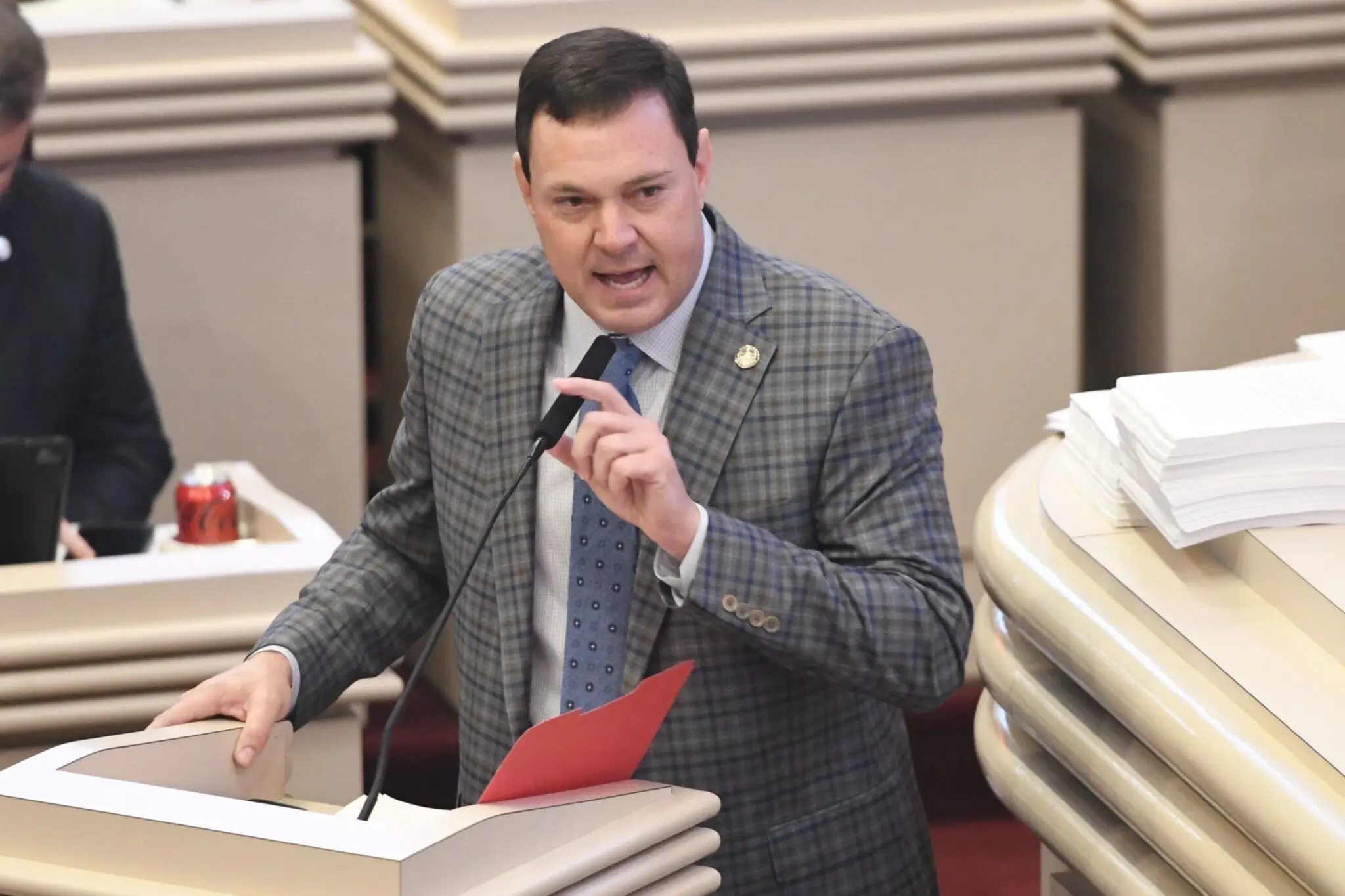
Rep. Chris Blackshear, R-Smiths Station, was recently interviewed by Alabama Public Television’s Capitol Journal, and in it, he pulled no punches. Blackshear was refreshingly honest, maybe too honest if you’re a bettor in the state.
While he thinks the issue of legal sports betting could be passed on the coming years, he thinks 2027 might be a tad too optimistic. Keep on reading, and we’ll tell you exactly what he said.
Blackshear Pumps The Brakes On 2027
Alabama is one of the last holdouts to sports betting. As it stands, it’s one of only 11 states without some form of it. But it’s not just sports betting in Alabama that’s outlawed. The state is also one of five without a lottery.
The ultra-conservative state has long opposed betting for moral reasons. But that’s not to say there haven’t been efforts made to legalize. There have been, and Blackshear told Capitol Journal that he believes there will be again.
“I still think it’s a conversation we have to have,” Blackshear said.
But in the same interview, Blackshear said the conversation will be had in the next four years — which lines up with the term lengths coming out of midterms. Notice what he didn’t say? Next year or anything about 2027.
That’s largely because of the aforementioned elections. It has most lawmakers preoccupied with keeping their jobs, rather than working on new bills. Blackshear said lawmakers are not currently working on another gambling bill.
Still, Blackshear does not think lawmakers can avoid the issue forever. But here’s the biggest question: how long can they wait with prediction markets staring them dead in the face?
Every Year Alabama Waits, More Money Leaves
Sports betting has infiltrated the country for almost a decade now since a federal ban was overturned in 2018. Consumers largely don’t know local regulations, they just assume things are legal since they read the legalization headlines and get bombarded with ads from the top sports betting apps.
Blackshear is fully aware of this, too, so don’t think he doesn’t know it’s happening.
“I would say right now there are no guardrails in the state, right?” he said. “If you want to, you and I can pull the phone out right now and go to one of the illegal sites and make a sports bet.”
He’s sure not wrong either. Offshore sportsbooks remain widely accessible in Alabama. Prediction markets like Kalshi and Polymarket are operating under federal oversight and, because of it, have full access to Alabama bettors. That means money is being siphoned away from the state.
That’s a big deal because Alabama already has an idea of what a regulated market could be worth. A gambling study commissioned by Gov. Kay Ivey estimated that a lottery, casinos and legal sports betting could generate somewhere between $510 million and $710 million annually for the state. That money could help fund education, infrastructure, and other public services instead of leaving Alabama altogether.
Blackshear acknowledged that Alabama’s budget has been comfortable in recent years thanks in part to federal COVID relief money. But those funds have dried up, which is one reason he believes the gambling conversation isn’t going away.
“It’s easy to forget about hard times when your budgets have been so flush,” Blackshear said. “So it’ll be a conversation that I look forward to us having. I think yet again we’re going to have to do something. I think continuing to avoid the elephant in the room is not going to be the answer.”
That’s really the dilemma Alabama faces. Every year lawmakers delay legal sports betting is another year residents can continue betting elsewhere while the state watches potential tax revenue slip through its fingers. And the thing is: bettors are sticky. Even if the state legalizes betting, those users might stick to what they’ve been using for years now.
Blackshear Is Still Haunted By Alabama Vote
The frustrating part for legalization advocates is that Alabama already came painfully close to passing this.
In 2024, Blackshear sponsored a sweeping gambling package that included a lottery, casinos, sports betting and a new state gaming commission with enforcement power. The proposal passed the House, proving there was real support behind it. Then the Senate watered it down, negotiations dragged on, and the final compromise failed by a single vote.
One vote. That’s the difference between Alabama regulating this activity and the current free-for-all Blackshear is describing.
Still, that failed push exposed the biggest problem moving forward. Sports betting cannot pass by itself with a normal bill. Alabama’s Constitution prohibits lotteries and games of chance, meaning any expansion requires lawmakers to approve a constitutional amendment and then send it to voters. That adds another layer of politics before a single legal bet can even be placed.
So Blackshear is probably right to temper expectations for 2027. The votes were difficult to find before an election, and they won’t suddenly become easy afterward. But the underlying problems are only getting bigger. Illegal betting keeps growing, prediction markets keep gaining customers, and the state’s financial cushion is shrinking. Alabama may not be ready next year, but eventually, doing nothing could become the harder vote to defend.
 Online betting sites