 by
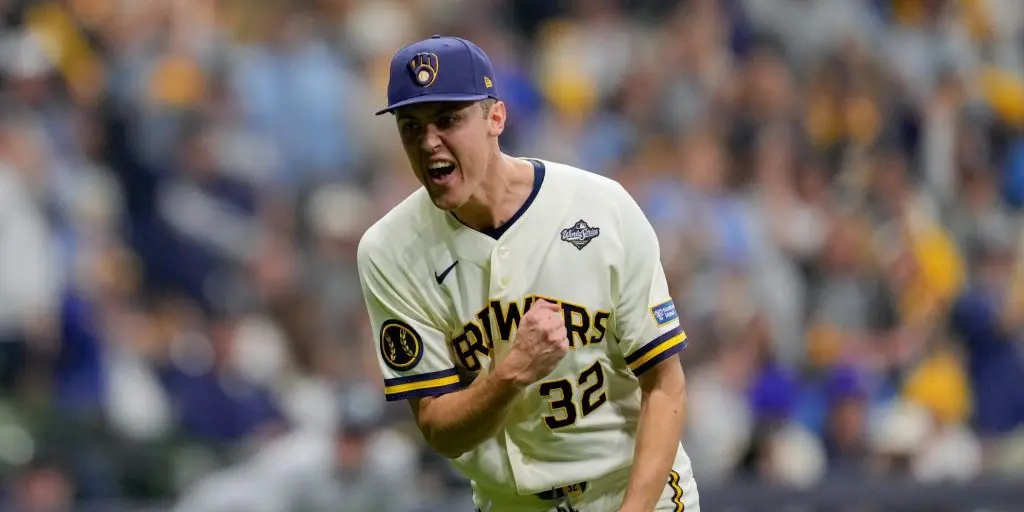
It’s an exciting time in the state of Wisconsin. That’s because the Brewers are back in the World Series.
It has been 44 long years since the Brew Crew could say that. And they did it in the most unconventional way — building a cheap but mighty roster. Its payroll ranks 19th in the MLB, and they even swept the No. 1 payroll (the Dodgers) on the way to the Fall Classic.
Throw in the usual NFL betting, and now would’ve been the perfect time for the state to have mobile betting. Wisconsin sports betting is still limited to only physical sportsbooks, and that’s putting a huge lid on things.
The state has already passed a bill to allow mobile sports betting apps, but it still needs to work some thing before that’s a reality. One of those roadblocks? A pending lawsuit from a conservative group. A bunch of above American tribes just banded together to try to get that lawsuit thrown out. Keep reading and we’ll explain what’s going on in Wisconsin!
Conservative Groups Want Betting Law Thrown Out
Let’s backtrack a tad, shall we? Back in April of this year, Wisconsin Governor Tony Evers officially signed a bill (Act 247) to give local tribes the right to offer mobile sports betting. This was not without controversy, of course.
Conservative groups were not happy with it, including the Wisconsin Institute for Law and Liberty (WILL). They filed a lawsuit in August with the Waukesha County Circuit Court, representing the Brown County Taxpayers Association and Citizens Defending Liberty. They’re claiming the original bill is unconstitutional.
The case cited a 1993 ruling. See, that’s when Wisconsin voters approved a constitutional amendment restricting the Legislature from authorizing new forms of gambling beyond specific exceptions. WILL argues lawmakers can’t get around that restriction by passing an ordinary bill. If Wisconsin wants this expansion, then it needs to change its constitution, says WILL.
This is not new information to the original lawmakers. To get around it, Act 247 changes the legal definition of a “bet” to exclude qualifying sports wagers placed electronically within Wisconsin, provided the server processing them sits on tribal land and the operation complies with the gaming compact.
This is what happened with Florida’s sports betting system. A “hub and spoke” model it was called over there. With this system, a bettor anywhere in Wisconsin can wager from their app — it does not have to be while they are on tribal land.
WILL says changing the definition doesn’t change what lawmakers did, plain and simple. It also wants to stop Evers from using compact negotiations to implement the expansion. So this lawsuit goes after both the law and the next steps needed to make it officially happen.
But there’s also one more explosive argument — race. The plaintiffs claim giving tribes exclusive access to this statewide business violates the Fourteenth Amendment’s equal-protection guarantee. Their complaint acknowledges the federal government has special obligations to tribes, but disputes whether Wisconsin can use that relationship to give ‘em this (lucrative) privilege.
Eight Tribes Push Back And Want Their Legal Costs Paid
To absolutely no one’s surprise, the tribes are fighting back. Big time.
The tribes — that’s plural cause multiple of them banded together — responded this month by asking for the lawsuit to be dismissed with prejudice. They also want the plaintiffs ordered to cover their legal costs.
The eight tribes involved are Bad River, Forest County Potawatomi, Ho-Chunk, Menominee, Oneida, Red Cliff, Mole Lake and Stockbridge-Munsee. Their response was entirely about tribal sovereignty. As federally recognized nations, they argue they have sovereign immunity from this suit in county court.
The tribes are not arguing on the merits of whether this new law is constitutional or not. No, no, they’re simply challenging whether the original plaintiffs can haul them into this case to begin with.
The tribes also pushed back on the racial-preference argument. They’re sovereign governments with treaty relationships with the United States — not simply a racial group being handed special business privileges. Unlike other races, there are treaties between the government and tribes, which makes things unique.
You can understand why the tribes are fighting this tooth and nail, right? Their livelihood very much depends on this. Gaming revenue helps fund tribal healthcare, education, and infrastructure. Obviously, mobile betting allows for those revenues to swell.
So what now? Welp, Wisconsin’s attorney general’s office has already defended the law, arguing the plaintiffs lack standing and haven’t stated a valid claim. Everyone now has to wait until a November 9 scheduling. Not that there will be a ruling that day (there won’t be), but we’ll know next steps.
One thing is for sure: we’re still a ways away before the state of Wisconsin has mobile betting. Don’t expect it during football season, for one. But if this lawsuit ends up dragging out, it might not even be ready by next football season — that’s how much is at stake right now.
 Online betting sites
