 by
by
New Mexico is often thought as a state without legal sports betting. But that’s just not true.
New Mexico sports betting does exist, but probably not the kind you’re thinking of. There are no sports betting apps here like BetMGM or DraftKings.
No, no, the only kind of betting has to be done in-person at tribal-owned casinos in the state. That’s right, New Mexico is a Native American-led betting market.
Or it was until prediction markets hit the scene hard the past two years. You can freely access sites like Kalshi inside the state and put money on outcomes, from politics to war to sports.
This, of course, doesn’t sit right with in-state tribes who believe they have “sovereignty” in the state. But they aren’t just complaining; they’re suing the bastards over it! And the case is proceeding at the same time many other tribal cases are in other states. Here’s how things are trending!
New Mexico Tribes Go After Kalshi
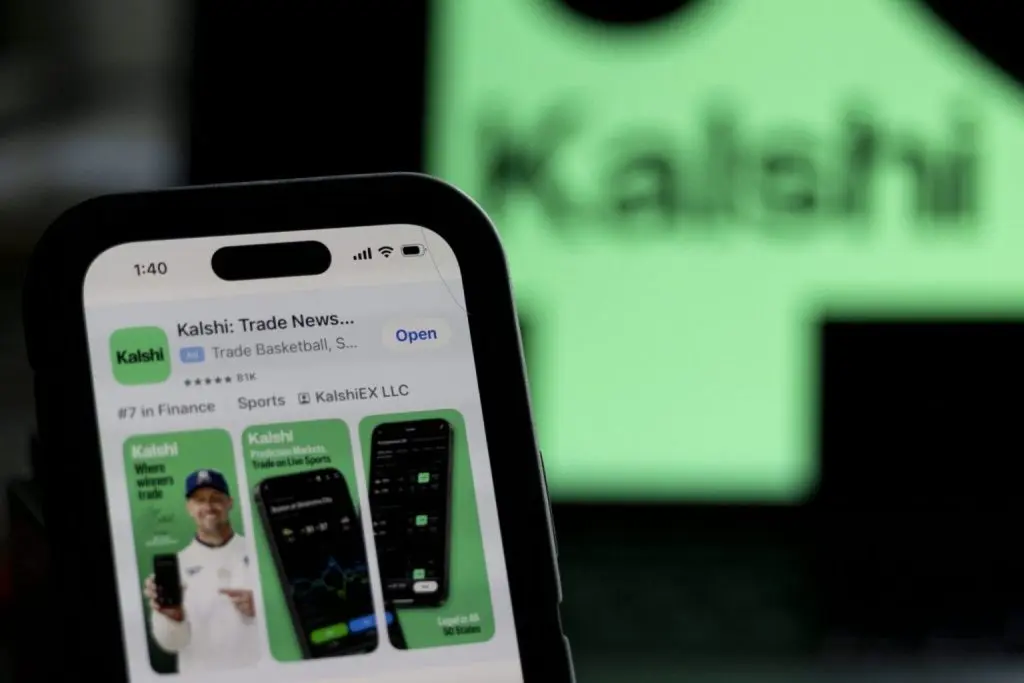
Four tribes in the state — the Mescalero Apache Tribe and the Pueblos of Pojoaque, Sandia and Isleta — teamed up to go after Kalshi specially. They’re currently asking for a federal judge to stop Kalshi from offering sports contracts because surprise surprise, the tribes believe it’s their sovereign right.
Welp, the two opposing sides finally faced off in federal court on September 23. U.S. District Judge Margaret Strickland heard arguments over both Kalshi’s attempt to get the lawsuit tossed and the tribes’ request for a preliminary injunction that would block Kalshi sports contracts on their lands while the case continues.
The arguments largely came down to two things: who actually has jurisdiction here, and what recent court rulings mean for New Mexico. Kalshi continues to argue its contracts fall under federal commodities law and that tribes can’t regulate a federally approved exchange. The tribes position is that once Kalshi facilitates what amounts to Class III gaming on tribal lands, the Indian Gaming Regulatory Act comes into play — and that too is federal law, not state.
The September 23 meeting was merely a hearing — no official decision from Judge Strickland yet. But… Strickland might have some outside influence cause we’ve seen other states rule on similar cases as of late. More on that in the next section.
Courts Are Starting To Give Tribes Some Ammo
If this New Mexico case happened a year ago, Kalshi would probably be feeling pretty damn comfortable with its chances. But things have drastically changed in the last few months.
First came Nevada. In August, the Ninth Circuit refused to block Nevada gaming regulators from treating Kalshi’s sports contracts like sports betting. That was a pretty big development because Kalshi has repeatedly argued states are preempted from regulating these products once the federal government gets involved.
Then came an even bigger ruling for tribes. Two California tribes — Blue Lake Rancheria and Chicken Ranch Rancheria — brought a very similar case against Kalshi. In early September, the Ninth Circuit ruled the tribes were likely to succeed on their argument that Kalshi sports contracts qualify as Class III gaming under the Indian Gaming Regulatory Act when offered on tribal lands.
Now these recent rulings do NOT automatically decide what happens in New Mexico. The Ninth Circuit covers western states like California and Nevada, while New Mexico sits inside the Tenth Circuit. Judge Strickland isn’t simply required to copy what another appeals court said.
But you better believe New Mexico’s tribes noticed. They’ve already pointed the court toward recent decisions cutting against Kalshi, and suddenly their argument has some major federal precedent behind it. That’s an entirely different place to be than tribes were even a few months ago.
So How Does This Thing End?
Let’s get one thing perfectly clear: Kalshi hasn’t lost this fight nationally. Far from it. Other federal courts have sided with the prediction markets company, including the Third Circuit, which backed Kalshi’s argument that its federally regulated contracts can fall under the Commodity Futures Trading Commission’s exclusive jurisdiction. So now we have federal appeals courts looking at essentially the same industry and reaching very different conclusions. What gives, right?
To us, it feels like a complete toss-up in this New Mexico case. While we legit don’t know who wins, we do know that the ramifications of the decision will be huge.
If New Mexico’s tribes get their injunction, it would create another hole in Kalshi’s supposed nationwide sports market. The app could still operate elsewhere in New Mexico, but those tribal lands could effectively become Kalshi-free zones for sports contracts.
This result could embolden more tribes around the country to try the same legal strategy. Kalshi would face an increasingly bizarre patchwork where its app works in one location but becomes restricted when somebody crosses onto tribal land.
But if Kalshi wins? Then tribes are, more or less, playing defense countrywide. Its federal rights won’t hold up well against Kalshi’s, and that’s that.
New Mexico might not be the biggest state, but it’ll dictate a lot of national influence based on how things pan out here.
 Online betting sites