 by
by
We’ve had our share of sports betting scandals in the last few years — all coinciding with the explosive growth of legalized sports gambling. However, things really ratcheted up over the last two months.
That’s when news broke of a gambling ring involving an active NBA coach (Chauncey Billups), player (Terry Rozier), and a former player/coach (Damon Jones). The FBI arrested the three, plus about 30 others. All are accused of different things such as rigging prop bets, selling inside information, and partaking in scammy poker games.
The story has really, really blown the lid off sports betting. Not that we haven’t had our fair share of scandals already — one notable one including Shohei Ohtani, and less notable ones involving former Georgia Bulldogs staff. But this NBA story really got folks scared, especially at the NCAA, which has now rescinded a rule that would’ve allowed college athletes to bet. Keep on reading, and we’ll tell you all about it.
NCAA Walks Back Betting Rule
In late November, the NCAA announced it’s pulling a U-turn. It turns out they will NOT allow college athletes and athletic-department staff to bet on professional sports. The keyword there is professional because college betting was never allowed, but briefly, they were going to allow wagers on the NFL, NBA, and so on.
The original proposal barely got through the DI Council in October, passing with less than 75% support — so it was controversial from the get-go. That slim passing opened a rare 30-day challenge window, and once member schools started lining up in opposition, the policy was killed (the NBA scandal timing certainly helped add the pressure).
Adding to the pressure was SEC commissioner Greg Sankey. He publicly urged NCAA President Charlie Baker to strike down the policy. The SEC is the premier conference of the NCAA, so Sankey wields influence. So does NBA great (and former Auburn hooper) Charles Barkley, who blasted the policy in interviews, too.
To be fair, the original rule change wasn’t sold as some gambling free-for-all. It was pitched as harm-reduction — a way to free enforcement staff to focus on real threats like point-shaving and market manipulation instead of tracking who put $20 on the Falcons game. But that argument collapsed fast once the scandalous headlines started piling up. Schools didn’t want to risk blurring the line between college and pro markets any further.
By blocking the Division I change, the NCAA also kept Divisions II and III from moving forward with the same shift. The ban now stays in place at every level, for both athletes and staff, across all sports.
NCAA has enforcement officials that are supposed to investigate gambling-related infractions with member schools. For what it’s worth, those officials say they’re juggling more than a dozen betting investigations right now. We bring that up because the Bulldogs — the flagship school in Georgia — has run into its share of problems before, as we get into in the next section.
Georgia’s History With Sports Betting Infractions
Despite Georgia sports betting not being a thing — it’s one of 11 states without a legal marketplace — that hasn’t curbed betting infractions with the Bulldogs. Just last year, a former Georgia football staffer got busted for placing bets on professional sports. Nothing wild like point-shaving, nothing involving Georgia games, but still a direct violation of NCAA rules. The crazy part? The bets were placed way back in August 2020, but the violation didn’t surface until 2023 when Georgia’s compliance office finally processed the case. The staffer was fired as a result.
Georgia’s issues go deeper than that. In 2022, compliance caught a student-athlete placing a fantasy contest bet through a major sports betting app. Again, nothing sinister, nothing involving college sports, but still classified as a Level III violation.
Neither of these two infractions would’ve been issues under the new NCAA rule, but it was not to be. Now that the rule has been struck, players and Georgia staff can’t wager on any sports, whether it’s a fantasy game or a legit bet at the top sports betting app.
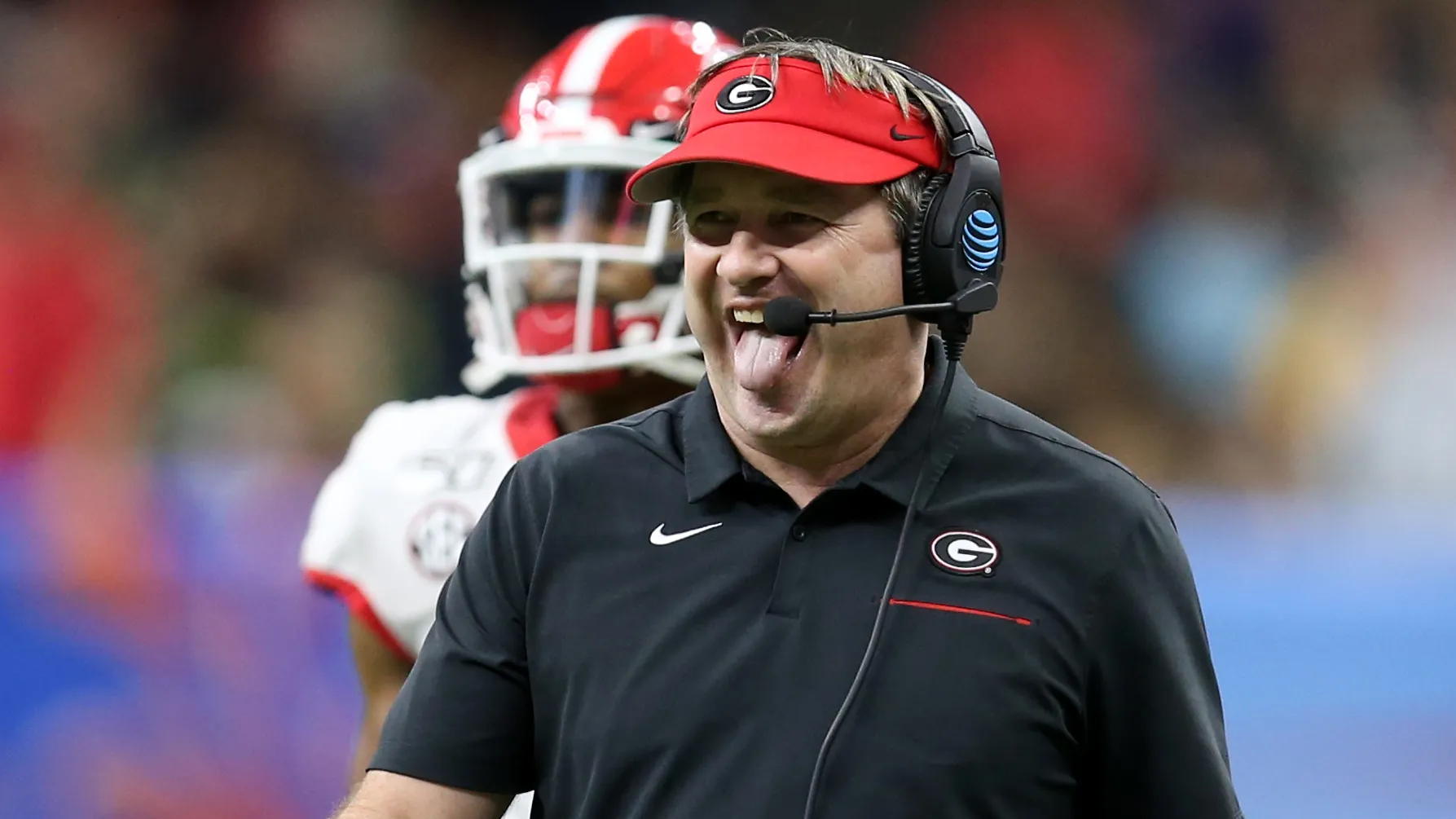
Georgia football head coach Kirby Smart is fighting for a College Football Playoff spot right now. But he’s been quoted in the past, speaking unfavorably about the proliferation of sports gambling. Here’s what he said:
“We’ve had issues with that in the past, too,” Smart said in May 2023. “It’s more prevalent. I can’t turn the TV on now without seeing something. There’s a lot of debate out there about what’s right and what’s wrong, but the NCAA rule is pretty harsh for gambling relative to some other things. It’s pretty obvious why. They don’t want that infiltrating teams.”
We got no dog in this fight, but it sure seems the NCAA had more to lose than gain by allowing bets on pro sports. Not that we expect sports betting issues to stop cold turkey, but this rule at least disavows them of some responsibility if a major scandal breaks out involving NCAA players, coaches, or officials. They can always say, “well, we had a rule against it.”
 Online betting sites