 by
by
Look at that, prediction markets have made yet another enemy. This time it’s Oklahoma’s Native American tribes.
Prediction markets like Kalshi and Polymarket have racked up a who’s-who list of enemies — state attorneys general, top sports betting apps, and tribes. This applies in pretty much every corner of the United States.
Oklahoma tribes are complaining about the same thing the rest of em are: prediction markets are stepping over their rights. In Oklahoma, those rights are supposed to be exclusive.
Sports betting in Oklahoma is not legal yet. However, casino betting has been allowed for decades, and all of it is overseen by local tribes. There are no commercial casinos in the state.
So if Oklahoma is supposed to become a legal betting state, it would theoretically have to be through the tribes — though, that’s a separate issue (we’ll get to that later). Let’s dig into what these tribes said and the bigger issues at-large inside the state.
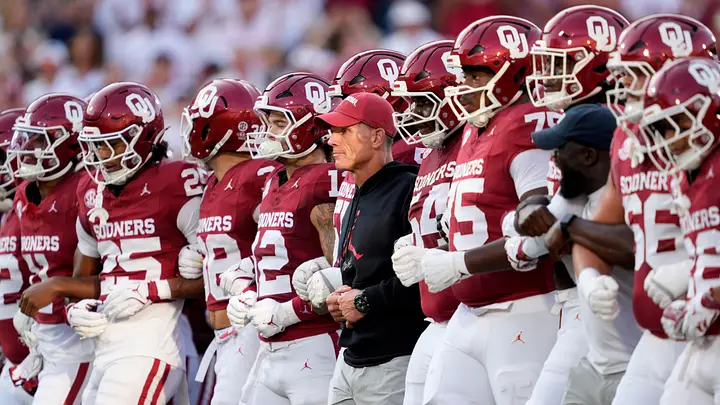
Oklahoma Tribes Say Kalshi Is Ignoring Decades Of Gaming Law
The complaints came during an Aug. 27 meeting of the United Indian Nations of Oklahoma. Representatives from 20 different tribes in the state were in the room, and Oklahoma Indian Gaming Association Chairman Matthew Morgan had plenty (mostly negative) to say about prediction markets.
“They look at tribes and tribal gaming and they think we’re standing in their way,” Morgan said. “And so they’ve decided to use their political muscle in order to try to shove us out of the way. They’re going to disregard precedent that has been set for decades on how these things are handled and just say, ‘we don’t need your permission.’”
He has a point, too. The Indian Gaming Regulatory Act (IGRA) has governed gambling on tribal lands since 1988 — at the federal level (remember this detail). Tribes contend that if Kalshi is taking wagers on football outcomes, which they are, then calling it a “financial contract” shouldn’t suddenly make IGRA disappear.
Indian Gaming Association Chairman David Bean was even less diplomatic about it.
“Enter this white-collar activity disguised or described as swaps or trading of financial instruments on sports, betting on sports activities, sports events, when in fact, it is gambling,” Bean said.
Back in May, Oklahoma Attorney General, Gentner Drummond joined 40 more AGs across the country in calling out the Commodity Futures Trading Commission, which has federal oversight on these platforms. The cohort banded together to argue that Kalshi and company are “unequivocally gambling.”
As we’ll get to later in the article, that federal oversight is exactly why most tribes and states have failed to stop the explosive growth of prediction markets in the past two years. But before that, we have to explain why this battle feels existential to Oklahoma tribes.
Oklahoma Tribes Have Fought Over Sovereignty Before
This ain’t the tribes “first rodeo.” Before prediction markets, there was (and still is) Oklahoma Governor Kevin Stitt. Here again, the two sides were fighting over who has the right to offer betting stateside.
Stitt argued Oklahoma’s tribal gaming compacts expired at the beginning of 2020. Tribes said the agreements automatically renewed. The dispute went all the way up to federal court, which ruled in favor of the tribes.
Stitt and tribal leaders have continued butting heads over gaming ever since. At various points, the governor has tried striking his own agreements with individual tribes and pushed to bring commercial apps like DraftKings and FanDuel into the state. It hasn’t worked, but the tribes have battle scars over it.
So you can see why the tribes would be testy about prediction markets, right? Tribes already fought their own governor to protect the exclusivity they believe their compacts guarantee them. Now they’re looking at the likes of Kalshi and seeing someone bypass the whole system from the federal level. And because of that, it might not be their fight to have.
Tribes Are Facing A Tougher Fight Against Kalshi
For all the success Oklahoma tribes had fending off Gov. Stitt, that means just about nothing against prediction markets.
You see, Kalshi’s “ace in the hole” is that federal regulation. Per how the entire United States government is set up, federal laws trump (pun intended!) state regulations.
We’ve already watched state after state learn this the hard way. New Jersey tried stopping Kalshi and got beat at the federal appeals level. Minnesota passed an outright prediction market ban, only for a federal judge to pause enforcement while the jurisdictional fight plays out.
But if the tribes have an ace of their own, it’s the aforementioned IGRA. That’s a federal law too, so it doesn’t have to fall back on any Oklahoma state law. All this back and forth likely means the biggest winners will be the lawyers representing both sides and racking up the bills.
To us, this whole fiasco has Supreme Court case written all over it. The most powerful court in the land is the only one that can settle all these interstate debates in one fell swoop. But we’re still a ways away from that… so Oklahoma tribes might have to live with Kalshi in their state in the meantime.
 Online betting sites