 by
by
Texas is one of the most anti-betting states around. Outside a state lottery, options are slim in the Lone Star State. There’s no sports betting in Texas, nor are there casinos.
You’d think with this stance, they’d be more hostile toward prediction markets like Kalshi. Right now, you can access Kalshi in Texas and lay money on Dallas Cowboys “event contracts.”
Many states believe Kalshi is sidestepping their local regulations around sports betting with these markets. Texas, though… has been pretty mum on the issue, maybe too mum.
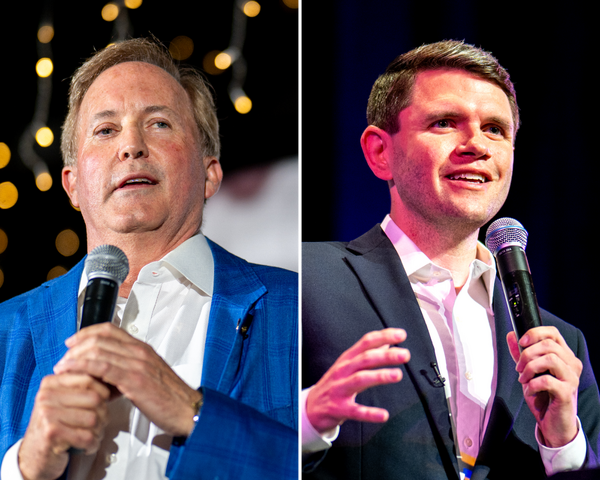
Attorney General Ken Paxton has not joined a coalition with dozens upon dozens of other attorneys general banding together to go after the likes of Kalshi. This non-action might be more about Paxton’s pockets betting lines by Kalshi and company than anything else. There’s a new report linking Paxton with donations from this side… and that money matters now that Paxton is running for Senate in a tight race against James Talarico. Keep on reading and we’ll tell you what’s going on.
Paxton Took Kalshi Money
Kalshi donated $5,000 to Lone Star Liberty PAC, the main political committee backing Paxton. This was in May, per a new report from Politico. Then one month later, Kalshi co-founder and CEO Tarek Mansour personally gave another $7,000 to Paxton’s Senate campaign.
For our math-challenged readers, that’s $12,000 directly from Kalshi to Paxton. This is known, but who’s to say there’s not an even bigger paper trail? And you might say that $12,000 is chump change for Paxton. But… the timing is the real story here.
Just four days after Mansour’s donation, attorneys general representing 34 states filed a brief in the New Jersey fight arguing states should still have authority to regulate Kalshi. Not only was Paxton nowhere to be found here, but he also sat out another major multi-state effort against prediction markets months later.
Could it be a coincidence? It could, but Paxton has not earned the benefit of the doubt. He has a long history of corruption that’s currently been used against him in this Senate race.
The silence doesn’t fit his track record either. Back in 2016, his office determined daily fantasy sports contests from DraftKings and FanDuel amounted to illegal gambling under Texas law. That sparked years of litigation. So this isn’t an attorney general who has traditionally shrugged his shoulders when an online company starts offering something that looks a whole lot like betting.
Paxton Is Becoming An Outlier Among State AGs
Let’s go back to the absence from the attorney general case because this isn’t a partisan thing. The rapid rise of prediction markets has drawn the ire of Democrats and Republicans alike across state after state.
Nevada, Ohio, Arizona, Illinois, Michigan, New York, Utah, and dozens of other states have all joined legal efforts arguing prediction markets shouldn’t get to hide behind federal commodities law while offering makeshift sports betting. Texas neighbors Oklahoma, Louisiana, and New Mexico have gotten involved too.
The argument from all these states is practically the same: if Kalshi lets someone put money on whether the Texans win a football game, how is that fundamentally different from placing the same wager at a sports betting app like BetMGM?
Kalshi has been fighting for its life in the courts, and so far, they’re winning. Its entire business model leans on the idea that these are federally regulated event contracts under the Commodity Exchange Act, not traditional bets. That federal designation has helped Kalshi beat back regulators in some places, although states have scored wins of their own too.
It’s been a see-saw battle between both sides, and it’s seemingly heating up some more. Federal appeals courts have already disagreed over how much protection Kalshi gets from state gambling law, creating the kind of legal mess that could eventually need the Supreme Court to sort out.
All of which makes this Texas situation even stranger. One of the strictest gambling states in America has its top law-enforcement official sitting on the sidelines while much more gambling-friendly states are on the complete offensive against Kalshi.
Dan Patrick Definitely Isn’t Staying Quiet
To be fair, not all big-wig Texas politicians are staying eerily quiet like Paxton. Lt. Gov. Dan Patrick has taken the opposite approach.
Patrick has been one of the biggest roadblocks to legal online betting in Texas for years, and prediction markets have caught his attention as of late. Earlier this year, he ordered the Senate State Affairs Committee to study what he called the “sudden inundation of prediction market gambling.”
Patrick specifically told lawmakers to examine the “exploitation of federal law to circumvent Texas gambling prohibitions” and come back with recommendations ahead of the 2027 legislative session. To us, that sounds like Patrick is aligning with other states’ AGs in thinking “event contracts” are mumbo jumbo.
That could eventually put two of Texas’ most powerful Republicans on very different tracks. Patrick is saying this loophole needs attention, while Paxton — the guy actually empowered to take legal action — has stayed sidelined.
Maybe Paxton eventually caves in. Maybe Texas lawmakers handle the issue themselves in 2027. But until then, those Kalshi donations are going to hang like a dark cloud over Paxton, which surely doesn’t help him out amid this close Senate race.
 Online betting sites