Daily Fantasy Sports in Texas | PrizePicks, Underdog & DFS Apps
 by
Tony Reyes
by
Tony Reyes

Daily fantasy sports in Texas is one of the most confusing topics in the entire gambling space. The short answer? DFS apps are operating across Texas right now. PrizePicks, Underdog, DraftKings DFS, Sleeper, and others all accept Texas players. Many Texans use DFS apps, but the legal status remains unsettled because Texas has not created a regulated DFS framework. For the broader legal and market overview, see our guide on sports betting in Texas.
But here’s the twist. The Texas Attorney General said back in 2016 that paid DFS contests are “likely” illegal gambling under state law. That opinion never got walked back. The legislature never legalized DFS. And yet the apps keep running.
So what’s the real situation? This page breaks it down. We cover the AG’s opinion, what it means in practice, which operators serve Texas right now, the different product types you’ll see, and what to check before joining a fantasy app. We also tackle the most common questions Texans have about DFS legality and platform availability.
Texas DFS legal status: Daily fantasy sports are still operating in Texas, but the legal picture is unsettled. A 2016 Attorney General opinion said paid DFS contests are likely illegal gambling under state law, yet the state has not passed a law that clearly bans or regulates the market.
The current Texas DFS legal situation
Let’s start with the elephant in the room. On January 19, 2016, Texas Attorney General Ken Paxton issued Opinion KP-0057. The document concluded that paid daily fantasy sports contests are “likely” illegal gambling under Texas Penal Code Section 47.02.
Paxton’s reasoning was straightforward. Texas law defines gambling as a bet placed on the outcome of a contest where chance plays even a partial role. The AG argued that injuries, weather, and referee decisions all introduce chance into DFS outcomes. That’s enough to qualify as gambling in his view.
Important context, though. An AG opinion is advisory. It is not law. No Texas court has ruled on whether DFS is actually illegal. The legislature has never passed a statute either banning DFS or legalizing it. The state exists in a permanent gray area where nothing is settled.
Here’s what happened next:
- FanDuel exited Texas in May 2016 after the opinion, but it later returned and now offers DFS contests in the state again.
- DraftKings sued the Texas Attorney General’s office. The case has dragged on without resolution. DraftKings continues to operate DFS in Texas while the legal battle plays out.
- PrizePicks, Underdog, Sleeper, and other operators launched after 2016. None have been sued by the state. All operate freely in Texas.
- In 2019, HB 2303 attempted to formally designate DFS as a game of skill. The bill did not pass. Texas still has no clear DFS framework.
- No enforcement actions have been taken against any operator or any player since the opinion came out.
The practical takeaway? Texas is not a regulated DFS market. There are no state licenses. There are no consumer protections backed by Texas law. But the apps are running, the contests are paying out, and nothing is stopping any of it. Players use these platforms at their own discretion.
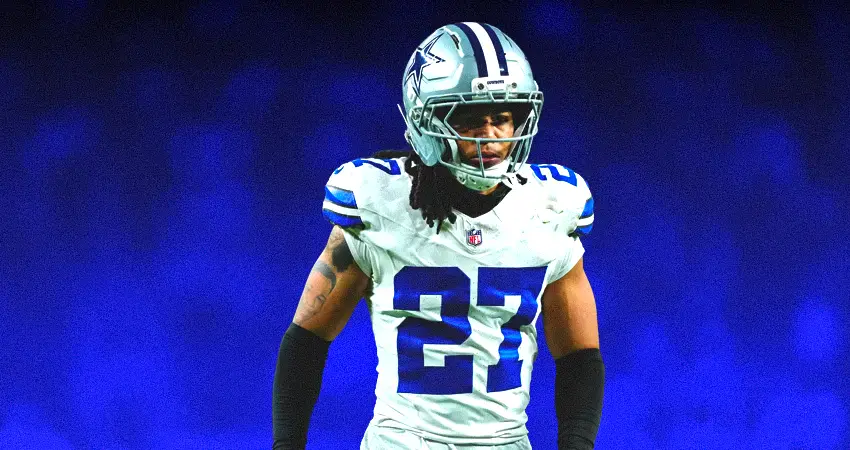
Texas is a major sports market despite the legal uncertainty. With franchises like the Cowboys, Texans, Astros, Rangers, Mavericks, Rockets, Spurs, and Stars, plus passionate college football fans of the Longhorns and Aggies, demand for fantasy contests is strong. That demand helps explain why several operators continue to serve the state.
For the official AG opinion, see Texas Attorney General Paxton Releases Opinion on Daily Paid “Fantasy Sports” Sites.
Can Texans use PrizePicks, Underdog, and DraftKings DFS?
Yes. All three operators accept Texas players right now. Each works a little differently. Here’s the breakdown.
| Operator | Available in TX? | Products in TX | Notes |
| PrizePicks | Yes | Pick’em (More/Less) | Flex Play and Power
Play contests available |
| Underdog Fantasy | Yes | Best Ball, Pick’em,
Draft Contests |
Best Ball Mania has
$15M + prize pools |
| DraftKings DFS | Yes | Salary Cap DFS +
DraftKings Pick6 |
Operating in Texas for
over a decade |
| FanDuel DFS | Yes | Daily Fantasy contests | Returned to Texas
after initial 2016 exit |
| Sleeper | Yes | Pick’em and season-
long |
Popular for younger
users and casual play |
| Betr Picks | Yes | Pick’em contests | Smaller but growing
player base |
| Thrive Fantasy | Yes | Player prop contests | Niche but accessible
in TX |
Unlike the sportsbook side, where major U.S. operators like DraftKings and FanDuel cannot offer betting in Texas, DFS products are widely available. The legal distinction between fantasy contests and sportsbook wagering is what allows these platforms to keep operating despite the AG’s 2016 opinion.
Most major DFS operators require players to be at least 18 years old, although minimum age rules can vary by state and platform. Most require identity verification before withdrawals. Deposit and withdrawal methods include credit cards, PayPal, ACH transfers, and, in some cases, cryptocurrency.
PrizePicks has built visibility through sports partnerships and advertising, while Underdog runs nationally promoted fantasy contests. DraftKings DFS has operated in Texas for years and offers a broad contest library. Each platform has carved out a different audience
DraftKings Pick6 launched in Texas in December 2023. It’s a pick’em product that competes directly with PrizePicks and Underdog. The format involves picking 2-6 player props as either over or under. Payouts scale based on how many picks you get right and which contest type you choose.
For more on what apps are accessible in the state, see our Texas betting apps page.
Pick’em contests vs. traditional DFS
Not all DFS products work the same way. This matters because the user experience varies a lot from one platform to the next. Here’s how the formats break down.
| Format | How it Works | Platforms |
| Traditional DFS | Draft a lineup of players under
a salary cap. Compete against other users. |
DraftKings, FanDuel, Yahoo |
| Pick’em (vs House) | Pick more or less on player
stat lines. Platform sets the projections. |
PrizePicks, Underdog, Sleeper |
| Best Ball | Draft a team that
automatically optimizes each week. No in-season management. |
Underdog, DraftKings |
| Draft Contests | Quick snake-style draft
against a small group. Best lineup wins. |
Underdog, Sleeper |
| Season-Long Fantasy | Manage a roster across an
entire season. Trades, waivers, lineup decisions |
ESPN, Yahoo, Sleeper, CBS |
The pick’em format is the most popular DFS format in Texas right now. It’s the closest legal equivalent to sports betting in the state. You pick whether a player will go over or under a stat projection. Combine two to six picks. Higher payouts for more correct picks.
Traditional salary cap DFS is what made DraftKings and FanDuel famous. You build a lineup under a budget. Star players cost more salary-cap budget than role players. Lineups compete against other users for prize pools. This format is still widely available in Texas through DraftKings.
Best ball is the rising trend. You draft once, then the platform automatically starts your highest-scoring players each week. No trades, no lineup decisions. Underdog’s Best Ball Mania tournament has produced $2 million winners in recent years. Texas players are eligible.
How DFS is different from sports betting in Texas
Players in Texas often confuse these categories, especially since DFS pick’em contests look a lot like sports betting. Here’s the distinction that matters.
Sports betting is illegal in Texas. There are no state-licensed sportsbooks. DraftKings Sportsbook, FanDuel Sportsbook, BetMGM, and Caesars do not operate as sportsbooks in the state. None of them can legally accept sports bets from Texas residents.
DFS works under a different framework. The argument is that fantasy sports are games of skill, not gambling. Players select athletes and manage rosters based on knowledge and analysis. Federal law (UIGEA 2006) explicitly carved out fantasy sports from its definition of gambling.
Texas hasn’t passed its own DFS exemption. But it hasn’t taken enforcement action against operators either. The result is a market where DFS exists without being banned or regulated. Sports betting exists in neither form.
Pick’em contests are the gray area within the gray area. Critics argue they’re just sportsbook player props in disguise. Defenders argue they’re skill-based contests because players have to choose between multiple options. The Texas AG sided with the critics in 2016. The courts have never ruled. The apps continue operating.
For more on the sports betting landscape, see our Texas betting legal page.
What Texans should check before joining a DFS app
If you’re going to play DFS in Texas, go in with your eyes open. Here are things to look at before depositing money.
- Age requirements. Most DFS platforms require you to be 18 or older. Some specific contests or prize tiers require participants to be 21+. Verify the age policy before signing up.
- Identity verification. All major operators require KYC (Know Your Customer) checks. You’ll need to submit a government ID and proof of address before withdrawing winnings. Plan for this step.
- Contest format. Know what you’re entering. Pick’em contests work differently than salary cap DFS. Best ball is different than draft contests. Read the contest rules before depositing.
- Entry fees and rake. Every contest takes a cut. The platform skims a percentage of the prize pool as their fee. Compare rake percentages across platforms. Some are noticeably more expensive than others.
- Payout structure. Some contests pay top-heavy with massive first-place prices. Others spread payouts across many winners. Match the format to your risk preference.
- Legal risk. The Texas AG’s opinion says these contests are likely illegal. No enforcement has happened. But the situation could change. Don’t deposit more than you’re comfortable losing in any scenario.
- Bonus terms and rollover requirements. Many DFS apps offer welcome bonuses or deposit matches. These bonuses often come with playthrough requirements. Read the fine print before signing up. A $100 bonus with a 10x rollover means you need to wager $1,000 before withdrawing.
For more on how to bet online in Texas across categories, see our Texas how to bet online guide.
Texas Daily Fantasy Sports FAQ
Find answers to common questions Texas players have about DFS legality and app availability.
Yes. PrizePicks accepts Texas players. The platform offers pick’em contests in two formats. Flex Play allows partial wins if you get most picks correct. Power Play requires all picks to be correct for a payout. Users must be 18 or older. The Texas AG opinion from 2016 says paid DFS is likely illegal, but no court has ruled and no enforcement has occurred.
Underdog Fantasy operates in Texas under the same legal gray area as other DFS apps. The platform argues its contests are games of skill, not gambling. Texas has no law expressly prohibiting fantasy pick’em contests. The 2016 AG opinion is nonbinding and has never been enforced. Underdog offers Best Ball Mania, pick’em contests, and draft contests to Texas users 18 and older.
Yes, in practice. Both season-long fantasy football and daily fantasy football contests are widely available in Texas. ESPN, Yahoo, Sleeper, DraftKings, Underdog, and PrizePicks all offer fantasy football to Texas residents. The AG’s 2016 opinion says paid daily fantasy contests are prohibited gambling under Texas law, but Texas has not established a clear regulated framework for DFS. Free season-long leagues with no entry fees are generally treated differently, and the AG’s opinion specifically says traditional fantasy sports leagues are, as a general rule, legal under Texas law.
DraftKings DFS availability generally depends on your physical location when entering a contest. A Texas resident may use an eligible DraftKings fantasy product while physically located in a jurisdiction where that product is available, subject to age, identity, and other eligibility requirements. DraftKings Sportsbook is a separate product and is only available in jurisdictions where sports betting is authorized.
It’s complicated. The Texas AG issued an opinion in 2016 saying paid DFS contests are likely illegal gambling. That opinion has never been tested in court. The legislature has never passed a law either banning or legalizing DFS. Major operators, including PrizePicks, Underdog, DraftKings, FanDuel, and Sleeper, all continue to serve Texas players. No enforcement action has ever been taken against an operator or a player. The market exists in a permanent gray area.

Tony is a pro sports journalist who dedicates most of his free time to watching the latest matches and games on TV. When he's not participating in sports-related activities or seeing his friends, Tony enjoys outdoor activities such as hiking, cycling, and basketball. In addition to being a sports expert, Tony has extensive knowledge of finances and accou...
Read More About the Author Online betting sites