 by
Now that there’s been a “blue wave” across the country — even in Mississippi, where Democrat Scott Colom won in a huge upset in the Senate — prediction markets have switched their tune. Out of necessity, mind you.
The growth of prediction markets, and more specifically, sports contracts, has aligned neatly with Donald Trump’s second run at President. His son has provided “advisory” and investment dollars to top platforms like Kalshi or Polymarket.
More than that, Trump’s administration has staunchly supported prediction markets. The biggest ally? The Commodity Futures Trading Commission. They are in charge of governing prediction markets and have constantly said federal rules protect them — no matter what any legal betting state’s rules say.
But… prediction markets can’t keep banking on that. Not when the Democrats now control Congress and are in the driver’s seat to take the White House in 2028. That party has made it clear it’s out to reverse just about every Trump decision or move, which would make them enemies of prediction markets sites.
Just in the last couple of weeks, we’ve seen a complete 180-degree turn from these platforms. One that caught our attention is playing by state rules AND paying taxes back. Keep reading, and we’ll tell you what’s going on and how it may affect states like Mississippi.
Polymarket Is Starting To Play Nice
Polymarket CEO Shayne Coplan recently sat down with Andrew Ross Sorkin at The New York Times’ DealBook Summit. The famed conference is attended by bigwigs in the world of business and investing. So naturally, the conversation turned to the future of prediction markets. State after state has sued them. When asked about it, Coplan quipped:
“I think that they have valid points.”
Again, the timing of these comments is no coincidence, but let’s dig into the details. What points are we even talking about?
Start with the money. As it stands, traditional sportsbooks pay substantial state taxes to get their sports betting apps licensed and running. Prediction markets have, so far, done none of that to offer an eerily similar product. States feel robbed by the double standard.
Coplan seems to understand that much. He called tax revenue the root of the disagreement and said there could be a commercial solution. He said his lawyers are already meeting with attorneys general and trying to find some middle ground.
For now, it’s just dialogue — no agreements have been struck. Still, it’s something different than what we’ve heard over the last year when these lawsuits really began picking up.
Could Mississippi Make A Deal Like North Carolina?
Sports betting in Mississippi right now is under a tight lid. It’s not allowed on mobile apps, but physical sportsbooks are legal, and they’re taxed. Prediction markets are, for now, strictly an online thing.
So this isn’t a perfect comparison, but it’s worth bringing up North Carolina. Lawmakers over there just approved a 6 percent tax on prediction markets’ net trading fee revenue, scheduled to start in January.
Mind you, that tax applies to the fees the platform collects from trading. Say you put $100 into a sports contract. North Carolina wouldn’t automatically collect $6 from that transaction. Its cut would come from the platform’s net fee revenue.
North Carolina is on the low side of things, too. Kentucky approved a 14.25 percent tax. Then there’s Illinois, which tried taxing sports contracts under its sports wagering laws, but Kalshi sued and got key provisions temporarily blocked.
Could Mississippi consider a similar tax of their own? Theoretically, in-state lawmakers could look at the sports contracts people are already trading and decide they’d rather get a cut of the business rather than banning ’em. That’s IF prediction markets are still not seen through the sports betting lens since like we said, there’s no online sports gambling allowed in Mississippi. Period.
But… paying taxes isn’t the lone sticking point here. State attorneys general also want their states to have a say over gambling regulations, and accepting a check doesn’t necessarily settle who gets to make the rules. For Mississippi, the question would be how much authority it’s willing to give these prediction platforms in exchange for a cut of their revenue.
Mississippi Is A Sleeping Giant
Don’t discount Mississippi’s potential to attract big-time prediction market volume. Its Senate race between Cindy Hyde-Smith and Colom drew more than $35 million in trading across Kalshi and Polymarket.
Mind you, that doesn’t mean Mississippians put up all $35 million. People elsewhere could trade on the outcome, too. But it does show how much business these platforms can generate around a single Mississippi event.
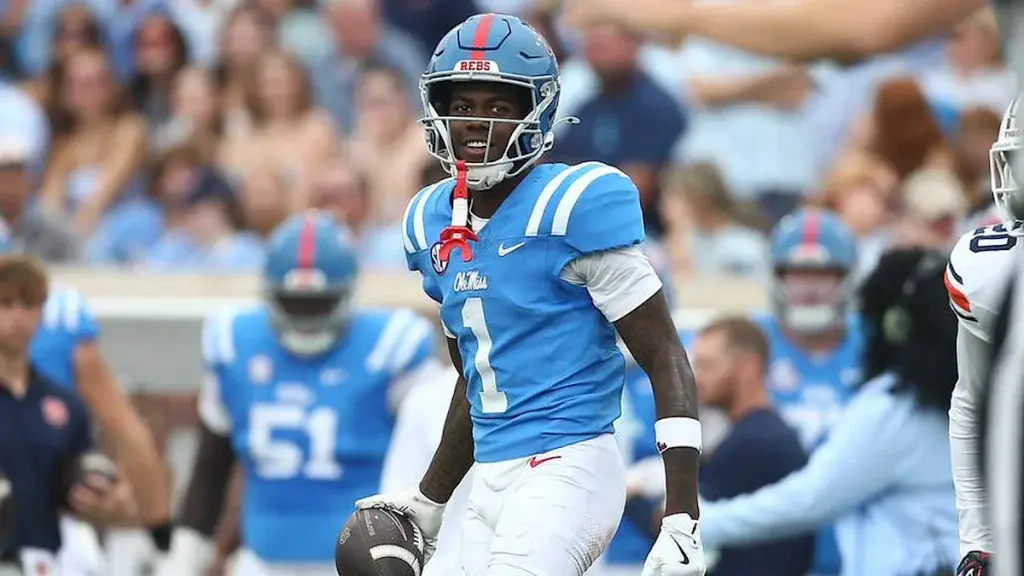
And that was an election in a normally red state. Think about Ole Miss or Mississippi State games. This is a state that’s rabid over college sports and surely would attract volume there during the Fall.
That’s why we’d watch whether Mississippi lawmakers start talking taxes. There’s potential business here for the platforms and potential revenue for the state. The question is whether they can agree on terms before this turns into another courtroom fight like the rest.
 Online betting sites
