 by
by
Alabama sports betting fans have enjoyed the program’s dynasty of multiple college football championships, almost entirely without the allure of legal sports betting.
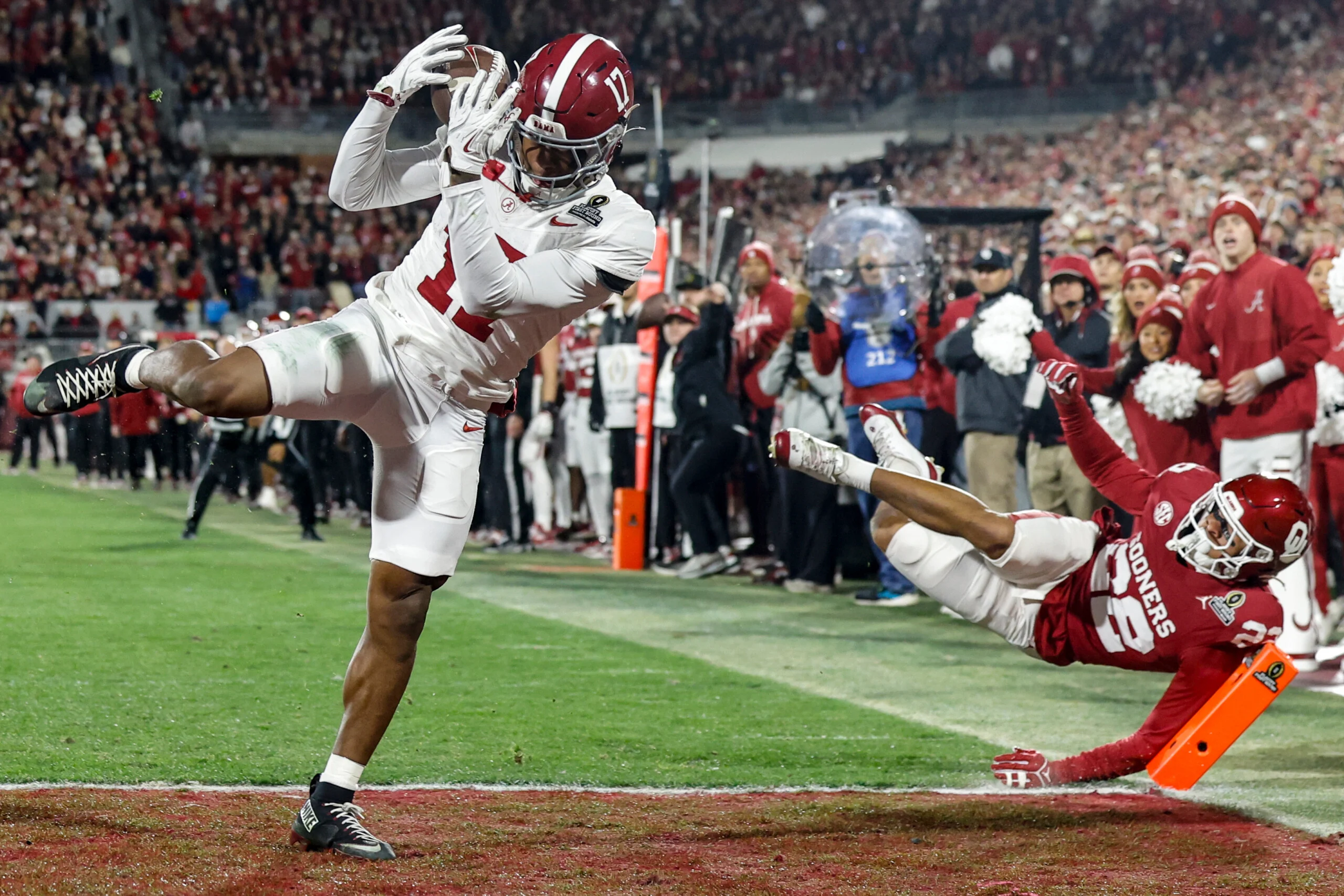
But… that’s changing, and right at the perfect time. Alabama is back in the College Football Playoff, the first time since Nick Saban left the program after six national titles. The Tide won its first playoff matchup against Oklahoma and now faces No. 1-ranked Indiana in the quarterfinals.
Those in Alabama, at last, will have a legal way to put money on the game’s outcome. No, not offshore sportsbooks, we’re talking about prediction markets. Fully regulated (for now) and available in the state via FanDuel and DraftKings, which barely launched. Keep on reading and we’ll tell you all about it!
DraftKings Goes Big, Fast
Let’s begin with DraftKings, which cannonballed straight into the prediction market space. They are calling the offering DraftKings Predictions, and they’re already in 38 states, including Alabama.
But… 38 states is sort of misleading. That’s because DraftKings Predictions looks different state to state — not all 38 have the same options. The big difference are “sports contracts.” Only 17 of the 38 states allow users to stake money on NFL, college sports, NBA, and other sports. Parlays are not allowed on sports, however, things like spreads, alternate spreads, and the outright winner are being allowed.
Those in Alabama, they will be one of the lucky 17 that do offer sports markets. Why? Because Alabama is one of 11 states without any form of sports betting. DraftKings and FanDuel are tiptoeing in states where betting is legal — and they offer a sports betting app product already. More on that later on.
But the 17 states where sports predictions are up and running is a big deal for DraftKings. Nevermind a small market like Alabama, but the “big fish” are states like California, Texas, and Florida. The first two don’t allow sports betting at all, while Florida only allows it via Seminole Tribe-owner Hard Rock Bet.
DraftKings having an in on those states is massive. They collectively house around 60 million people (many of which root for the local sports team) — all of whom probably don’t use DraftKings at the moment. Predictions change that.
And if those non-legal states ever do change course on “traditional” betting, then DraftKings can upsell predictions users into its betting app. That’s what they successfully did with daily fantasy sports players when sports betting first became legal, starting in 2018.
FanDuel Takes An Even More Cautious Route
FanDuel is playing a very different game than its top competitor. Instead of launching half the map at once, Fanduel is starting with just five states — Alabama, Alaska, North Dakota, South Carolina, and South Dakota. That’s a much slower, more deliberate rollout, and it tells you a lot about how FanDuel views the risk-reward here.
“We’re giving our customers a new platform to engage with the world around them — whether that’s the next Fed rate decision or a sports event,” said James Cooper, senior vice president at FanDuel. “This launch in five states will provide valuable insights into customer engagement with this new platform, enabling us to refine our approach as we expand to additional states in 2026.”
Whereas it feels like DraftKings’ shotgun launch is about making money and making it quick, FanDuel’s statements and soft launch feel much more experimental. Currently, FanDuel is number one in market share, so perhaps that position allows them to be more cautious than No. 2 DraftKings. Either way, both have their current licenses on the back of their mind, as we’ll get into in the next section.
Both Are Avoiding Legal Sports Betting States
Here’s the 12 states that DraftKings avoided when launching:
- Arizona
- Arkansas
- Illinois
- Iowa
- Maine
- Montana
- Nevada
- Ohio
- Pennsylvania
- Tennessee
- Washington
- Vermont
Want to know what the common thread is between these? They not only offer legalized sports betting already, but more than that, they’ve threatened to revoke sports betting licenses of platforms that offer prediction markets.
These aren’t empty threats either. The state of Arizona already did it, taking away Underdog’s sports betting privileges went it began offering prediction markets. DraftKings and FanDuel are way bigger apps than Underdog, and have too much to lose by taking the same risk.
Why are states even threatening this course of action, you ask? Because to regulators, prediction markets look and feel like sports betting. Calling them “event contracts” and routing them through federal commodities law doesn’t change how they function for users. You’re still putting money down on a game and getting paid based on the result. States spent years building licensing systems, tax structures, and rules around sports betting, and they’re not eager to watch companies sidestep all of that through prediction markets.
That’s why they’re hostile. Many states have even sued the likes of Kalshi, which is the biggest prediction market in the United States currently. Those lawsuits are pending, which is why we expect DraftKings and FanDuel to remain cautious for now. The two and the whole industry, really, are waiting for a real resolution on regulation to figure out their final plans. Until then, we wait and see.
 Online betting sites