 by
by
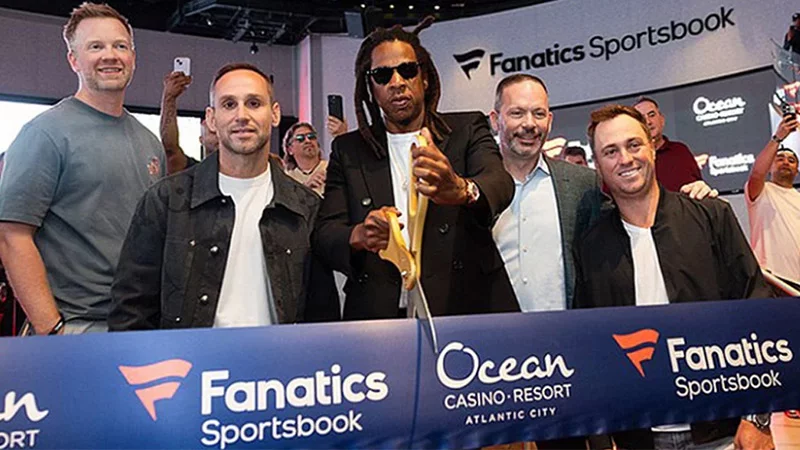
Don’t sleep on Fanatics Sportsbook. They entered the legal betting industry relatively late, 2023 to be exact.
And yes, that’s late. Leading sports betting apps FanDuel and DraftKings had products ready to go in 2018 when the Supreme Court lifted a federal ban on sports wagering. Of course, that was easy, thanks to having daily fantasy apps — and users they could sell to.
Then there’s the likes of BetMGM and Caesars. These behemoths have been in the betting industry for decades, so selling sports betting via apps was an easy pivot.
But Fanatics? They are an e-commerce giant in sports apparel. Jumping into the sports betting market, years later, well, that wasn’t such a no-brainer move. Yes, it’s sports, but product and betting aren’t all that alike.
Yet, Fanatics Sportsbook has outperformed most expectations. In most markets they are in, Fanatics is either third or fourth in market share — battling BetMGM in those sports.
Fanatics’ betting ambitions now also feature prediction markets. That’s right, they’ve launched Fanatics Markets in several states, and are planning more. What’s interesting is they’re taking a different approach compared to the likes of DraftKings and FanDuel. Keep reading and we’ll explain that, plus why sports bettors in Alabama should be paying close attention.
Fanatics Launches Prediction Markets First
Fanatics might’ve been dead last to go live with sports betting, but the opposite is true with prediction markets. That’s right, Fanatics Markets is the first national sportsbook brand to wade into sports prediction markets.
Fanatics Markets went live at the start of December in 24 different states. Here’s the full list where they have launched:
- Alabama
- Alaska
- California
- Delaware
- Florida
- Georgia
- Hawaii
- Idaho
- Maine
- Minnesota
- Mississippi
- Nebraska
- New Hampshire
- New Mexico
- North Dakota
- Oklahoma
- Oregon
- Rhode Island
- South Carolina
- South Dakota
- Texas
- Utah
- Washington
- Wisconsin
California, Florida, and Texas are the three states that stand out from the list. That’s where Fanatics has the most potential because its sportsbooks product isn’t allowed there and, well, those three are giant markets. Neither California nor Texas allows sports betting or any kinds, whereas Florida does allow it, but only through the Seminole Tribe through Hard Rock Bet.
By and large, Fanatics targeted states where it’s not allowed. Beyond the big three we mentioned, the likes of Alabama, Alaska, Georgia, Hawaii, and Utah are also on the list. All of these states have betting banned. Only 11 states don’t allow betting right now.
But wait, aren’t prediction markets just sports betting? Many are arguing that, but for now, there’s a loophole that creates a distinction between the two. Kalshi and Polymarket have exploited this loophole, and now Fanatics is doing the same.
Here’s how it works: Fanatics Markets runs event contracts through a partnership with Crypto.com, after Fanatics quietly acquired introducing broker Paragon Global back in July. That move gave them a compliant pathway into prediction markets — and it let them move faster than anyone expected, hence the December launch.
In fact, they beat DraftKings and FanDuel to the punch. Both of those companies have made it clear that prediction products are coming, but Fanatics got there first. That’s a rare win over the two biggest names in US sports betting. But Fanatics isn’t done there. They are also doing something that both competitors have promised not to do. We get into that in the next section.
No Regulatory Concerns For Fanatics Yet
DraftKings and FanDuel have been very clear that they do NOT want prediction markets anywhere near states where they already run legal sportsbooks. Too much regulatory risk, they say. Heck, many states have outright said they’d consider revoking licenses of sportsbooks that launch prediction markets.
DraftKings and FanDuel are saying prediction markets are part of a bigger strategy. Essentially, it’s to use predictions only in states where sports betting is banned, then convert those users later if laws change. This worked with daily fantasy sports so the line of thinking makes perfect sense.
Fanatics isn’t saying that. If anything, they think prediction markets and the money that comes with it is the entire strategy — especially in states where they don’t have a sportsbook presence, mainly those without legal frameworks to operate in.
Smart, right? Maybe, then again, Fanatics might be playing its hand too aggressively. Flutter Entertainment, which owns FanDuel, has been very carefully with the way it talks about prediction markets. CEO Peter Jackson said outright that they wouldn’t launch if it put their core business at risk. Perhaps that’s why FanDuel hasn’t launched its product quite yet.
Obviously, FanDuel has a lot more to lose than Fanatics. They are the industry’s number one, after all. As the underdog, Fanatics can afford to be more risky, and that’s what we’re seeing early on. Time will tell if that’s wise or not, especially as states and regulators continue to bring down the hammer on the prediction market industry.
 Online betting sites