 by
by
In football betting circles, Auburn is a powerhouse. It’s famous for producing two of the most generational athletes of their time — Bo Jackson and Cam Newton.
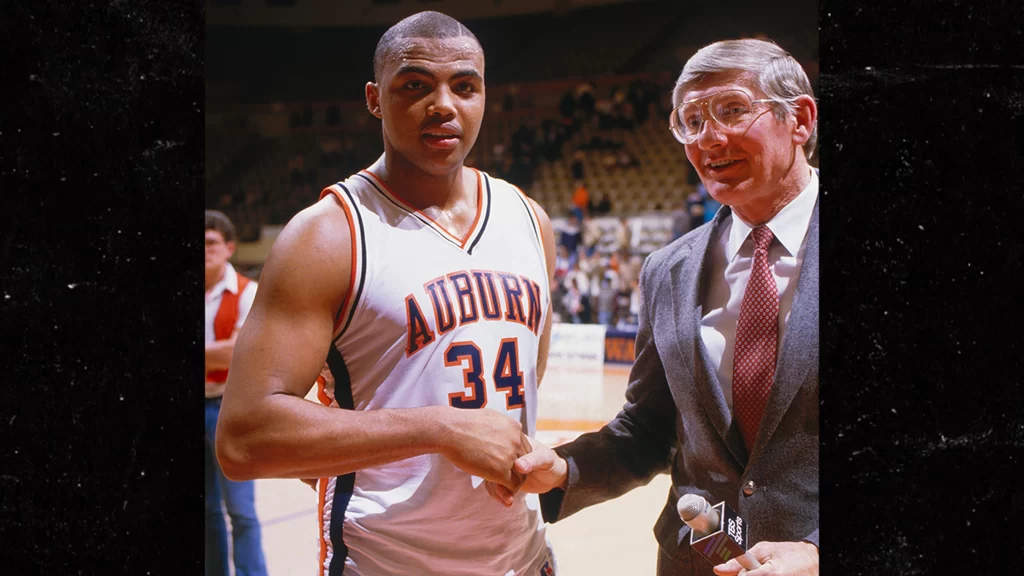
However, it’s most famous (and certainly its loudest) alumnus is one Charles Barkley. “Sir Charles” played there in the early ‘80s before an esteemed NBA career that’s now an even more esteemed commentating stint.
That’s why when Charles speaks, people listen. But even more so when it’s about the world of betting. That’s because Barkley is known as one of the biggest gamblers in sports history. Heck, if you believe him, the habit has cost him over $20 million in losses over his lifetime. Yes, seriously!
You’re going to want to keep on reading to hear what Barkley has to say about a new NCAA rule. Not only will it affect athletes at Auburn or rival Alabama, but across the country. And Barkley thinks it could have negative ripple effects, as we’ll get into in this article.
Barkley Doesn’t Want Student-Athletes Betting
Before we get into what Barkley said, let’s lay out what happened because it flew under the radar. Earlier in October, the NCAA passed a new rule. No, not a limit on NIL or open transfers. Instead, the NCAA decided to allow college athletes and athletic department staff to bet on professional sports. Starting on November 1, they’ll have free rein to do so (they weren’t allowed before).
Yep, you read that right. The same organization that’s long treated sports betting lgalization like a four-letter word is now giving players and staff the green light — at least when it comes to the pros. The rule still bans betting on any and all college sports, not just the one they’re playing (e.g. an Auburn football player can’t bet college hoops).
It’s a bit of a surprising move if we’re being honest. The sports world has been rocked by betting gone wrong stories. Just recently, the NCAA banned three Fresno State basketball players for wagering on their own games. Even more recently, the NBA had an active player and coach arrested for their involvement in a betting scandal.
So you can see why someone like Barkley would not speak lightly to the rule change. Never one to mince words, here’s what Barkley said about the change:
“Anybody who thinks that’s a good idea should have their head examined. We’ve already got an issue with kids gambling now, when they shouldn’t be gambling.”
Why Barkley Might Be Upset
Did we mention Barkley has incurred over $20 million in gambling losses? That’s a key detail here because if anyone knows both sides of the gambling coin, it’s him.
He’s part of the media machine that now thrives on betting — making picks on Inside the NBA (which is now on ESPN, not TNT) — but he’s also lived through the consequences. Not just financial, but likely on personal relationships too. So when Barkley warns about players developing bad habits, he’s not fearmongering; he’s speaking from personal scars.
Throw in the dynamic of these kids are 18 to 22 years old, making millions for the first time in their lives, and you can quickly see where things can spiral out of control. That’s not to say all athletes could become problem gamblers. But even a few here and there is enough to make this rule not worthwhile.
What is ironic is that Barkley also has ties back home in Alabama. Remember, this is a state that’s very anti-gambling. Alabama sports betting doesn’t exist. Casino gambling is off limits. Heck, the state doesn’t even have a legal betting lottery.
But despite that, Barkley wanted to join an investment group to launch a casino in the state earlier this year before the bill collapsed in the legislature. So it’s not like Barkley is anti-betting in general — he’s just against betting for young and rich athletes in college. This is not moral grandstanding from Charles at all.
NCAA’s Motivations Explained
The NCAA didn’t just wake up one morning and decide to ease its betting rules. No, there’s a method to the madness.
Perhaps what sparked the change is what happened in Iowa a few years back. Investigators dug into two major college programs — Iowa and Iowa State — and found that dozens of athletes had placed small bets, many of them on college sports. While none of the players were accused of fixing games, the entire probe got messy fast. Some felony charges were dropped after it came out that investigators might’ve used unauthorized tracking tools to catch the bets in the first place.
That whole debacle forced the NCAA to confront a tough reality: betting is inevitable among its athletes and staff. And most of it will NOT involve match-fixing.
So the association decided to modernize its stance. Mark Hicks, the NCAA’s managing director of enforcement, said the organization started looking at how to better educate athletes instead of just punishing them. Education could be more effective rather than pretending athletes live in a betting-free bubble
That’s what led to the new rule: a controlled compromise of sorts. Let athletes bet on professional sports — the NBA, NFL, MLB, whatever — but keep college sports completely off-limits. It’s a recognition that betting isn’t going anywhere, but the NCAA still wants to draw a hard line where the risk of corruption hits closest to home.
 Online betting sites