 by
by
Horse betting has a rich history in America. Heck, for many decades, it was arguably the most popular sport in the country. It was also a magnet for betting.
This applied all over the country. However, it’s fallen on hard times. Some states have outright banned betting on it. Worse, some states have closed down their racetracks entirely, meaning no live races. One of those states is Alabama.
What got us thinking about betting in Alabama is the upcoming Alabama Stakes race. Outside of the Triple Crown events, this is one of the more popular races on the calendar all year. It takes place at the iconic Saratoga Race Course in New York, where legal sports betting is alive and well.
We know what you’re probably thinking: “if it takes place up north, then why in the world is it called Alabama Stakes?” The event is named after one William Cottrell. He was too modest to have the race named directly after him, thus organizers chose Alabama because it’s where he’s from (Mobile, to be exact). The first race was in 1872, and Cottell’s legacy has endured in New York.
But in Alabama? Cottell would’ve likely not been happy to know what’s happened with the sport inside his home state. Keep reading and we’ll bring you up to speed on Alabama horse racing — both the death and the now possible revival.
Why Alabama Stopped Horse Races
Get this, Alabama hasn’t had a live horse race inside its borders since 1995. Back when Bill Clinton was president. Back before Steve Jobs was still exiled from Apple and the idea for a smartphone didn’t exist. Back when the Cowboys could still field a Super Bowl-caliber team (sorry, Dallas fans, NFL betting got us in the mood).
Thirty long years ago. It’s a shame too because the Birmingham Race Course opened in 1987 with all the hype in the world. People expected it to be a centerpiece of Alabama sports and entertainment. But reality hit quickly: attendance was terrible. Even with opening fanfare, the grandstands were half-empty and the betting windows barely moved. The track was bleeding money from the jump.
Timing didn’t help either. With the rise of cable TV, horse racing became an even bigger afterthought as other sports and activities grew. The struggles the sport saw in Alabama carried elsewhere too.
Losses piled up fast. Reports at the time had investors losing around $100,000 a day just trying to keep the lights on. Within a couple of years, the novelty had worn off completely. Alabama just didn’t have the same racing culture as Kentucky or New York, and it showed. By the mid-90s, the whole operation was unsustainable and got axed.
The Birmingham track pivoted to simulcast racing (still live) and greyhound events (this ended during the pandemic too), but the damage was already done. Once live thoroughbreds left the state, they never came back. And unlike other states that managed to revive their horse scenes through slot machines or casino tie-ins, Alabama didn’t take that route. Instead, the racing industry collapsed quietly and got buried under layers of political and cultural resistance to gambling.
What you’re left with today is a state that has the history, the namesake, and even the fan nostalgia — but not the infrastructure to put on events. Just an empty memory of what was supposed to be Alabama’s answer to Churchill Downs, and a question that lingers: will the track ever come back or is the story of horse racing in Alabama permanently written in the past tense? One group thinks it’s the former, as we’ll get into next.
Tribe Wants To Revive Race Track
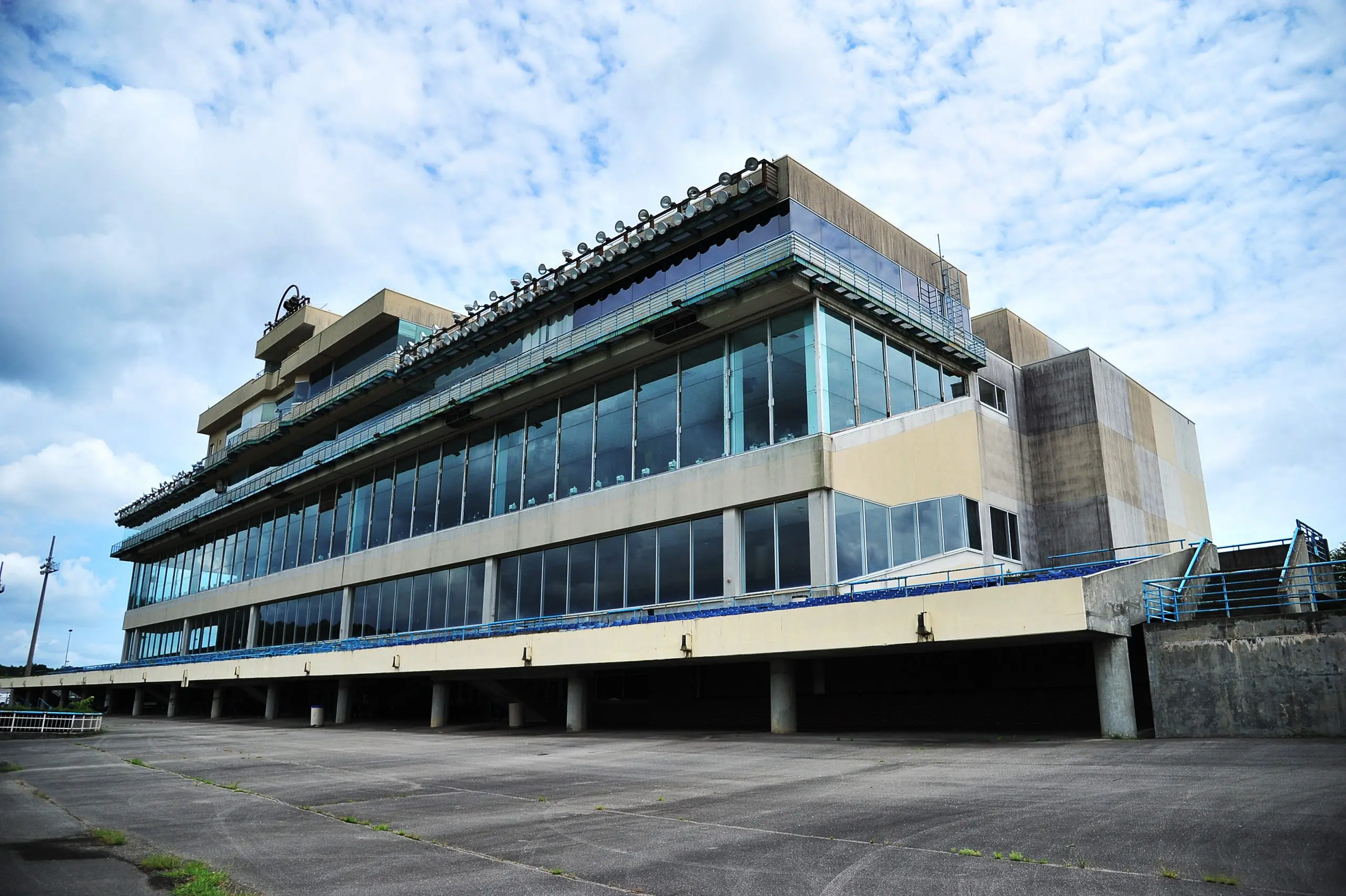
That group is the Poarch Band of Creek Indians. Earlier this year, they finalized a deal to buy the Birmingham Race Course from the McGregor family, who’d owned it for ages. The price tag? Nobody is saying — but the tribe called it a “significant financial investment.”
Wind Creek Hospitality — the tribe’s casino-and-resort arm — rolled out a press release saying they see the track as the foundation of a world-class destination resort in Birmingham. They promise jobs, tourism, and economic growth that lasts. Mayor Randall Woodfin said this deal highlights Birmingham’s potential as a top-tier entertainment hub. That’s the kind of language you don’t throw around lightly.
Right now, the facility still runs simulcast races and historical betting machines. But the tribe says they’re working closely with city and racing officials to develop bigger plans. The buzz is they’ll spend the rest of the year mapping those out. Will live racing return? That depends on how boldly they push and how the legislature responds.
Here’s the catch: Alabama still bans most forms of legal betting. To bring back live racing — or add sports betting or a lottery — the tribe will need to make serious inroads with lawmakers AND voters. That won’t be an easy sell in such a conservative state. But at least, for the first time in three decades, someone’s trying to bring back horse racing. We’ll monitor the situation to see if the tribe is successful or not.
 Online betting sites