 by
by
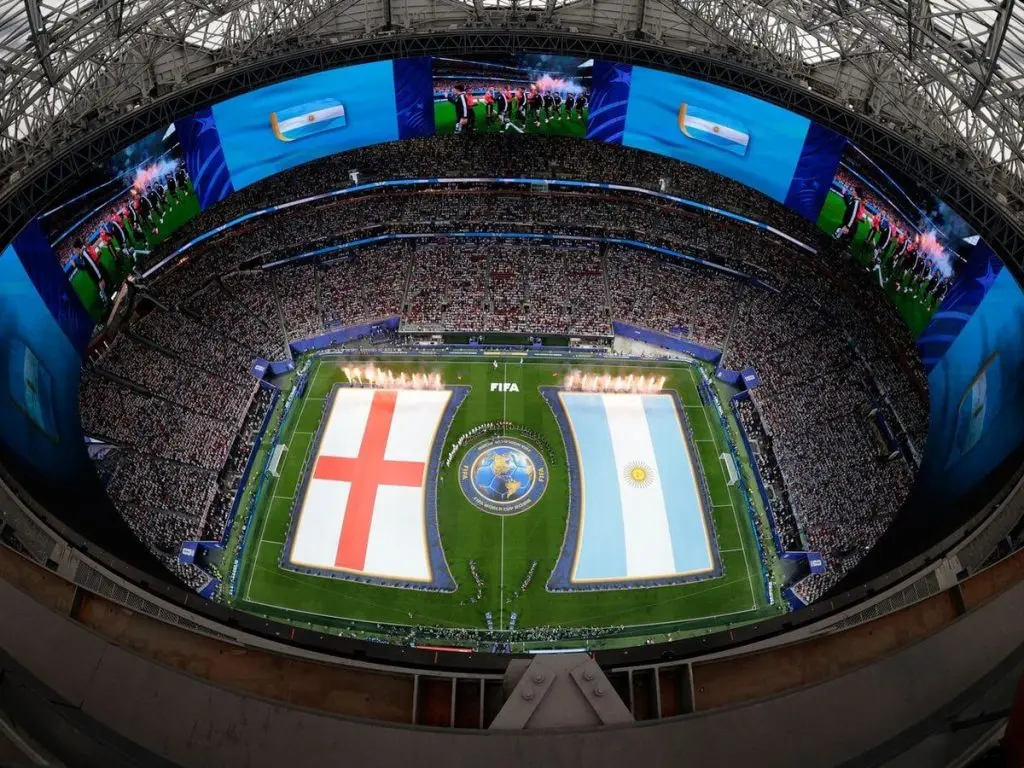
One of the World Cup darlings had to be “Atlanta Stadium.” Of course, that’s the temporary name for Mercedes-Benz Stadium due to FIFA rules around sponsorships.
The transformers-looking stadium (due to its retractable roof) dazzled match attendees and TV on-lookers. It’s a truly state-of-the-art stadium, which is why it was in heavy rotation during the World Cup. Eight matches were played at the location, including the thrilling semifinal clash between England and Argentina. It’s also where Argentina staged its 3-2 comeback against Egypt, a match many think was the best of the tourney.
Atlanta drew big crowds for these matches. Sure, the city got a boost through hotels, restaurants, stadium concessions, and so on, but… it failed to monetize the attention in one big way: betting.
Sports betting in Georgia remains a no-go. It’s one of 11 states without legal sports betting, and cause of that, bettors inside the state go elsewhere. Popular offshore sportsbooks take a lot of the business, but so do prediction markets.
We’re starting to get data coming out of the World Cup, and everything points toward prediction markets gobbling up a huge amount of betting capital. Keep reading, and we’ll explain the latest findings.
Prediction Markets Did Big During World Cup
Ever since prediction markets began offering “sports contracts” two years ago, there’s always been the question of how much of that is siphoning off traditional sports betting apps. If the latest numbers are to be believed, it’s a substantial amount.
According to new industry estimates, prediction markets accounted for roughly 27 percent of all sports betting activity during the tournament. Let that sink in for a second. A quarter of all money spent on something that didn’t even exist two years ago.
Estimates say Kalshi has the biggest winner, and they should be. For one, they are the leading platform in the United States. But two, the company struck a sponsorship deal that put its branding on the digital advertising boards inside stadiums during the latter stages of the World Cup. Plus, you couldn’t miss Kalshi ads during World Cup TV broadcasts. The commercial it did with Timothy Chalamet was everywhere, including the Final.
User-tracked trading data showed Kalshi handled more than twice the World Cup volume of Polymarket, a dramatic shift considering Polymarket came to market way before Kalshi ever did. But hey, that tells you how much marketing matters.
Attention is great, but these platforms also have to capture it properly. Many did by rolling out “combo” contracts that are essentially parlays. At the same time, they continued benefiting from two enormous advantages over traditional sportsbooks: they can operate in states where sports betting remains illegal, like Georgia, and they generally accept customers who are at least 18 years old, instead of 21.
The scary part for sportsbooks is this is becoming a pattern. Prediction markets also surged during the Super Bowl before many wondered whether interest would fade. It didn’t. Instead, the industry kept growing, and now the World Cup has poured more gasoline on the fire.
Georgia Is Watching Money Leave The State
Put yourself in the shoes of a lawmaker in Georgia — the same ones that’ve repeatedly shot down attempts at sports betting legalization year in, year out. Many of those, by the way, argued that keeping it illegal would prevent gambling from spreading across the state.
It was a noble argument at the time, but it’s just not true anymore thanks to prediction markets. They work perfectly fine across the country, thanks to them being federally regulated.
That reality becomes even harder to ignore after an event like the World Cup. Tens of thousands of fans poured into Atlanta, millions more watched from around the country, and a meaningful chunk of betting activity flowed through prediction markets. And Georgia got nothing out of this. Nothing because it has no control over federally regulated prediction markets and there’s no sports betting stateside.
And here’s the thing: this is going to keep happening. The Trump administration has largely embraced prediction markets, while the Commodity Futures Trading Commission continues defending its authority over sports event contracts in court. Multiple states have tried to shut these platforms down, yet they’ve largely remained online throughout the legal battles. In other words, this “loophole” that gives prediction markets full access to all 50 states isn’t disappearing anytime soon.
On the flip side, that could eventually force Georgia lawmakers into an uncomfortable question. If residents are already betting through prediction markets that the state can’t realistically stop, does it make more sense to keep saying no to sports betting? Or would Georgia be better off legalizing, regulating and taxing an activity that’s already taking place?
To us, it’s a pretty easy decision given the reality of prediction markets being here to stay. Georgia lawmakers don’t open the 2027 legislature for another six months, but we fully expect sports betting to get a serious discussion given all that’s transpired as of late.
 Online betting sites