 by
by

By now, you’ve probably heard Kalshi is being targeted by multiple legal sports betting states. Many want Kalshi to stop servicing their states because they’re undercutting their legal sports betting market. We’ve written about this at length already.
But… there are other secret lawsuits against Kalshi, too. While they, too, are arguing that Kalshi is illegally acting as a sports betting app, the outcome they’re seeking is a little different. Not only that, they are bringing up ancient laws to defend themselves. Keep reading and we’ll clue you in on this now-public lawsuit strategy.
A Lawsuit With Roots In 1700s
No, the headline isn’t hyperbole. The lawsuit hitting Kalshi comes straight out of the 1700s, way back BEFORE America was formally founded (it was still a British colony most of this century). But even more dubious than that, is the entity behind them.
Meet a litigation funding firm called Veridis Management LLC, led by CEO Maximilian Amster. They’ve quietly set up shell entities in at least six states — Ohio, Kentucky, Illinois, South Carolina, Massachusetts, and the great state of Georgia (where “regular” betting is illegal) — all filing similar lawsuits against Kalshi and its partners, including Robinhood and Webull. Veridis is literally in the business of suing, that’s all it does.
At the heart of these suits is an ancient law known as the Statute of Anne, first passed in 1710. It was originally designed to help gamblers recover losses from illegal wagers — but now, Veridis is using it as a legal crowbar to pry open Kalshi’s business model. The law gives “losing bettors” the right to sue the winners and reclaim their losses, plus interest and costs.
It’s a clever, if brutal, bit of legal jiu-jitsu — one that could open a new front for litigation funders. Usually, these firms bankroll big-ticket cases like patent disputes or product liability suits, betting on a payout down the line. But Veridis is doing something new: they’re industrializing the small-claims side of gambling law. With modern tech, they can locate and represent bettors en masse, making it profitable to bring hundreds of small-dollar cases that would’ve been impossible to pursue before.
The lawsuits all make the same core accusation we mentioned before — that Kalshi isn’t running a regulated commodities exchange but an “illegal sports betting operation.” They point to event contracts that let users bet on things like who wins an NFL game or who will be President of the United States in 2029. Kalshi calls these “event contracts” regulated under federal commodities law. Veridis calls them “unlicensed wagers.” Each filing demands that Kalshi pay back all “ill-gotten gains” earned from these alleged bets.
More About Veridis
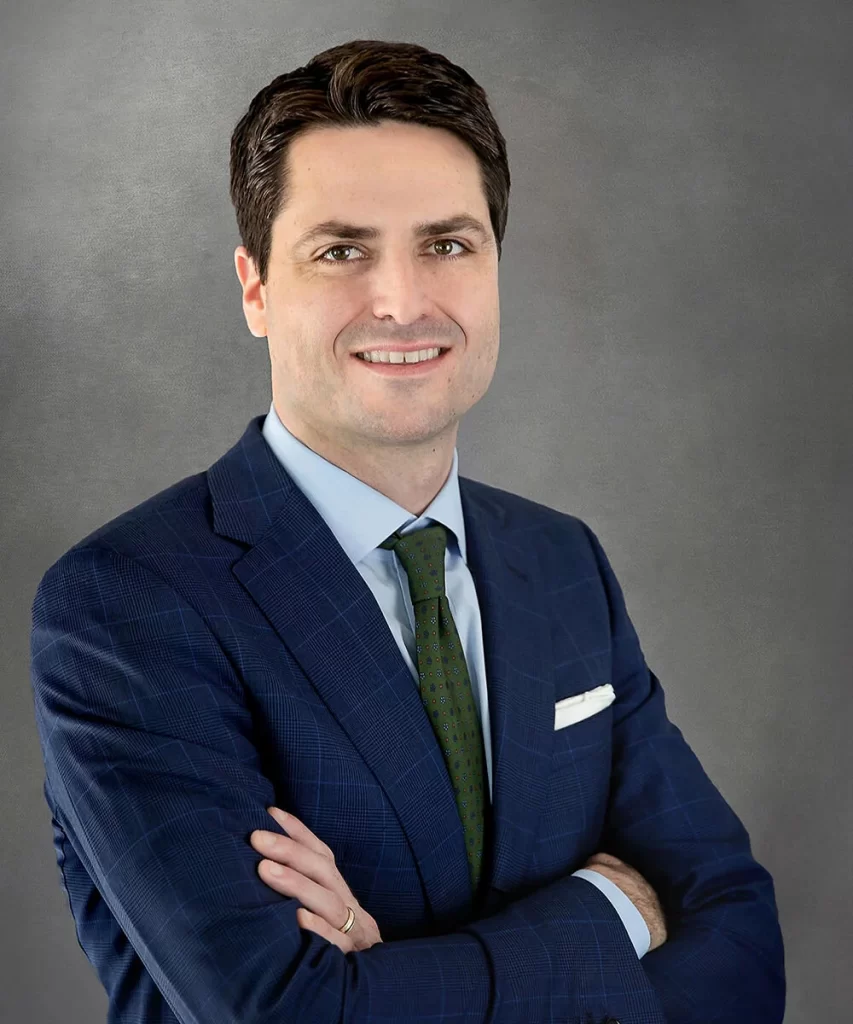
The mastermind behind these coordinated lawsuits is Maximilian Amster, the Florida-based CEO of Veridis Management LLC. According to court filings in Ohio from Kalshi and Webull, the address listed for the various shell companies leading these cases is identical to Veridis’ own headquarters — leaving little doubt about who’s pulling the strings.
Veridis has kept a relatively low profile, but the firm’s own website paints a picture of its playbook. Veridis specializes in high-stakes litigation funding and regulatory risk, focusing on single-case or portfolio investments tied to assets worth $5 million or more. Essentially, they bankroll lawsuits with potentially massive payouts — and take a slice if things go their way.
The company touts experience across a range of case types, from breach of contract and trade secret theft to False Claims Act and fraud disputes. It’s an operation built around identifying legal gray zones and turning them into financial opportunities — exactly what it’s trying to do with Kalshi’s prediction market model (more on that next).
Before launching Veridis, Amster made his money in real estate. He was a partner at Avesta Development Group, a private equity real estate firm, before pivoting to litigation finance. Now, instead of flipping properties, he’s flipping lawsuits — and the Kalshi campaign might be his biggest bet yet (pun fully intended).
So Is Kalshi Legal Or Not?
The above headline is quite literally the billion-dollar question on everyone’s minds — state regulators, competing sports books, and yes, Veridis.
Kalshi, of course, doesn’t call itself a sportsbook, rather a prediction market, where users buy and sell “event contracts.” Think of them like trades on future outcomes — will inflation rise, will a certain team win, will gas prices drop — except these contracts aren’t tied to any stock or asset.
This approach has actually made Kalshi federally legal. Back in 2020, the Commodity Futures Trading Commission gave it official status as a designated contract market. That means it falls under the same federal law that governs commodities like oil or wheat — and technically outside the reach of state gambling regulators. That’s been Kalshi’s legal armor ever since.
But that armor’s starting to take some dents, especially this year when Kalshi started offering sports contracts. Again, not bets, but contracts on sports outcomes.
This legal grey area is the heart of Veridis’ lawsuit, plus others. The outcome has the power to set precedent for Kalshi not only in Georgia sports betting market (where it’s one of the few legal options), but nationally too. Time will tell what the courts decide…
 Online betting sites