 by
by
It’s no secret that Texas is one of the most anti-sports betting states out there. There are only 11 states yet to legalize sports betting, and Texas is one of ‘em.
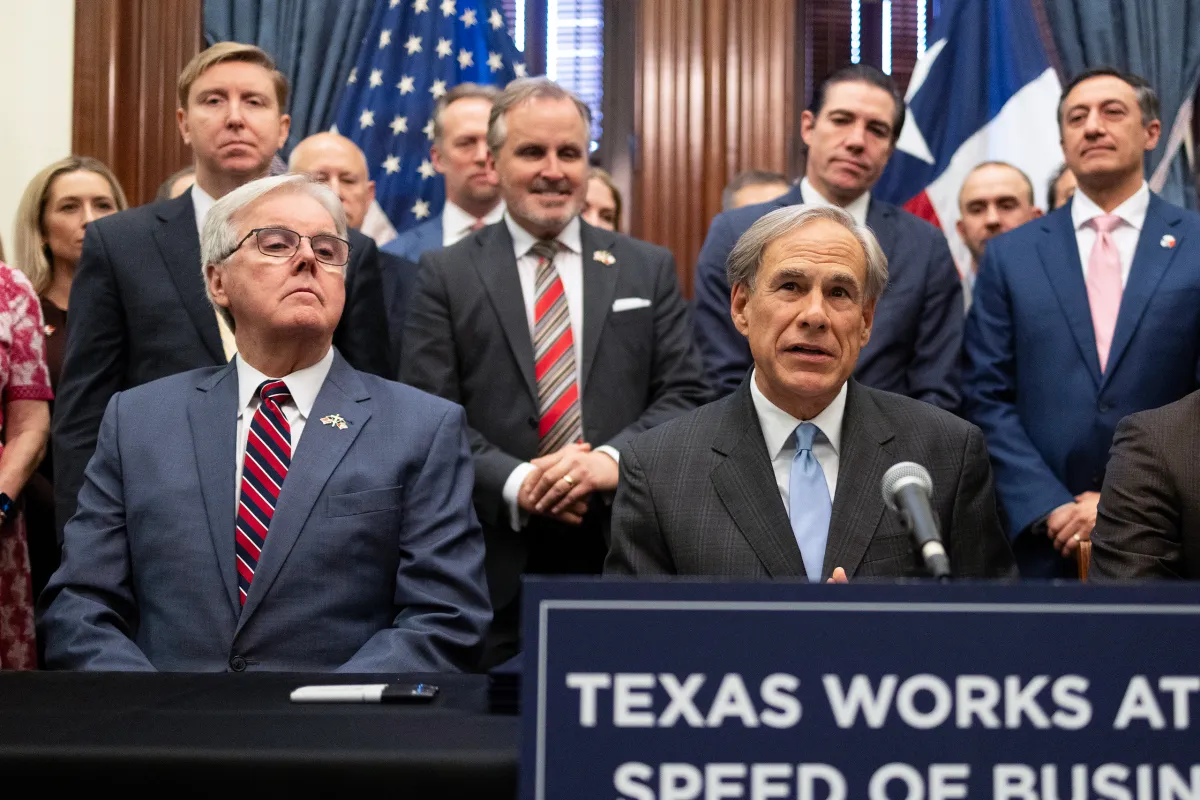
But it’s not just that. Key politicians in the state — we’re looking at you, Senate leader Dan Patrick — have openly lashed out at the idea of Texas sports betting, more so than any other non-legal states that are indifferent towards it. In the Lone Star State, it’s seen as immoral by the highest in political office.
Which brings us to the question of prediction markets. As it stands, these are fully accessible in Texas. In recent months, the top sports betting apps like DraftKings and FanDuel have released prediction platforms to compete with stalwarts like Kalshi and Polymarket. All of those work perfectly fine in Texas right now.
Other states have taken action against these platforms, saying they are circumventing their own sports betting laws. So far, Texas has kept quiet. But will that last? Let’s discuss it in this article.
States Are Fighting Back Against Prediction Markets
Every month it feels like there’s a new state that wants prediction markets out of its borders. First it was states like New Jersey, Nevada, and Michigan, among nine states with legal complaints out. The latest one joining the fray is Arizona. The news just came out this month, and this one was more a first.
You see, Arizona just dropped criminal charges against Kalshi. That makes them the first state to use criminal penalties against Kalshi (other states are launching lawsuits instead). Arizona Attorney General Kris Mayes hit Kalshi with 20 counts of accepting bets without a license and election betting. For what it’s worth, CFTC chairman Michael Selig said the charges are “entirely inappropriate as a criminal prosecution.”
The CFTC matters here. For now, they’re the regulators of these markets. They aren’t labeling them gambling products. Instead, they’re regulated as derivatives exchanges. Moreover, money placed on prediction markets are “event contracts”, not bets like a traditional sportsbooks. The CFTC says this is federally allowed, which is why these products are everywhere, including Texas.
Of course, the debate is whether “sports contracts” fit the bill in the same way as world events. Many states argue no. And even so, some world events contracts are coming under fire — should people really be betting on the next strike between Iran and the United States? Some lawmakers are pushing the CFTC to draw a clear line — saying markets tied to war or death shouldn’t be allowed at all.
It’s led to mass confusion on all sides — everyday users of these products, states, and even the CFTC itself. The agency just opened the door for public comments on how these contracts should be defined and regulated after issuing an early-stage rulemaking notice. That process is expected to turn into a formal proposal later this year — which could finally give prediction markets a real federal framework instead of the current gray area.
The Public Is Starting To Turn On Prediction Markets Too
We’re guilty of this too, but most of the time, conversation on the issue is strictly about laws and regulations. You know what people aren’t bringing up? Whether the public actually wants prediction markets.
Recent surveys suggest that the majority of Americans aren’t in favor of these markets. Take this new poll from Data for Progress, after polling 1,200 voters, they found 59 percent of them don’t think prediction markets tied to government actions should even be allowed. Even stronger than that, around two-thirds said members of Congress shouldn’t be anywhere near these platforms.
And when you get into the specifics, it makes sense why. Over 80 percent of people are uncomfortable with markets tied to terrorism. High 70s for assassination-related stuff. Around 70 percent for elections. That’s far from a small group raising concerns — that’s basically everyone saying “yeah, this is getting a little weird.”
But at the same time, people aren’t exactly calling for a full shutdown either. Another survey showed voters are more open to regulating these markets than banning them outright. But… the poll in question was commissioned by Kalshi. So can we really trust the results? Eh, probably not.
What Will Texas Do?
This all leads back to Texas: will they too join an array of other states in launching lawsuits or even criminal charges against these prediction markets?
It’s tough to say. For as outspoken as many Texan leaders have been about the ills of sports betting, there have been next to no comments about prediction markets. For now, at least. All it takes is one story of a political insider betting on an outcome related to Texas to draw eyes to the issue.
That’s one possibility. The other is just to wait til the CFTC figures this thing out. As we mentioned before, they’re expected to draw up a new framework for prediction markets by the end of the year. That’s ultimately what matters most since this is a federal issue for now — not a state one.
That’s likely what not just Texas is waiting on, but all 49 other states. We wait too to find out the fate of this new industry.
 Online betting sites