 by
by
Who says Kalshi doesn’t care about insider trading? That’s been the complaint lobbied at it by states, traditional sports betting apps, and everyday critics.
But in a stunner of a move, Kalshi fined not one, not two, but three different political candidates for putting money on markets tied to its election. Yes, that really happened. Keep on reading, and we’ll give you the full scoop!
Kalshi Goes After Three Politicians
In a major pivot in late April, Kalshi docked three American politicians for “insider trading.” It announced so in a press release, which sure wasn’t accidental (more on the motives later).
The first target was a candidate in the Democratic primary for Minnesota’s 2nd congressional district. Kalshi didn’t release the name publicly, but it did say that person “traded a small amount on the outcome of his own election”. The person did not deny any wrongdoing and ultimately paid a $539.85 fine and is suspended from Kalshi for a whopping five years.
A second case involved the Democratic primary for Virginia’s US Senate election. Only four candidates were in this race so it was much easier for Kalshi to identify. Anywho, the candidate in question “traded in two markets related to his campaign”, said Kalshi.
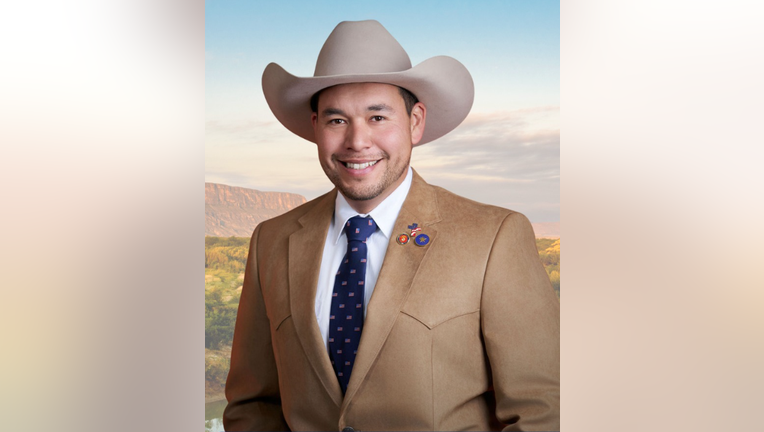
The third candidate came from Texas. Kalshi didn’t say the name here again, but local news has since verified it was Ezekiel Enriquez, a Texas candidate in May’s congressional primary. Enriquez bet on himself to win (yay for confidence), but he didn’t prove to be victorious — ironically, this is the election that MLB great Mark Teixeira ended up winning. Enriquez didn’t deny anything though, he fully co-operated with Kalshi and paid a $784.20 fine and will also be suspended off Kalshi for five years.
“Just like in traditional financial markets, bad actors will try to cheat,” Kalshi said in a statement, adding that the three cases “are an example of how developing proactive engineering solutions can help identify illicit trading activity”.
It’s a major pivot for Kalshi to begin penalizing this behavior. Though, it’s not a surprising switch-up. Kalshi has been pummeled with criticism for allowing this to fester — and not just in small-time elections, but huge international outcomes like war. Keep reading and we’ll explain the rationale from Kalshi here.
Iran Conflict Exposed Kalshi’s Knack For Insider Trading
Of course, the talk of the world in March was the United States and Israel launching a war against Iran. Before it happened, though, there was a lot of suspicious activity on Kalshi and other prediction platforms like Polymarket.
Investigations done by journalists — and later confirmed by Senator Chris Murphy and Representative Greg Casar — have said that 150 new accounts appeared on Polymarket before the initial US-Israeli strikes on February 28 and bet on it happening imminently. Of those new accounts, at least 109 made a minimum of five figures on the wagers. Maybe it was likely timing, but most believe it was insider trading.
This came on the heels of similar activity right before the U.S. launched an attack on Venezuela and captured its president, Nicolas Maduro. A soldier involved in the operation made $400,000 on it, and has now been arrested after a federal indictment.
These stories have been a black eye to prediction platforms in a time when they really don’t want it. We’ve written at length about it before, but it bears repeating: the future of prediction markets is currently under fire. Across the country, it’s facing lawsuits and criminal charges from state governments.
Nevermind just the insider trading, but many states believe it’s circumventing their own sports betting legalization framework. Kalshi offers “event contracts” on sports in all 50 states, including ones where gambling is illegal. Those states have taken issue with that, and so have other states that think prediction markets are siphoning tax dollars away from their legalized industry.
Texas has been surprisingly quiet on the issue. But that could soon be changing…
Texas Senate Leader Asks For A Study On Prediction Markers
Lieutenant Governor Dan Patrick is one of the biggest reasons that Texas sports betting is not a reality by now (one of 11 states without it). He effectively leads the Senate and has repeatedly shot down talks on legalization.
Patrick might be coming for prediction markets next. In March, he asked Texas senators to study prediction markets before next year’s legislative session, when they can pass new laws. Given Patrick’s past with betting, you have to believe he’ll want these platforms out of his state. He’ll argue they are pseudo sports betting apps that are sidestepping Texas laws.
Several states have already made the same argument, taking Kalshi to court over it. Kalshi won an important case in New Jersey, preserving its business, but a current case in California might not bode as well. Of course, that’ll have some implications in Texas, too.
One thing is for sure, though: these insider trading stories, including ones happening in Patrick’s own beloved state, likely won’t help matters next legislative session. Look at for prohibition bills on prediction markets next year…
 Online betting sites