 by
by
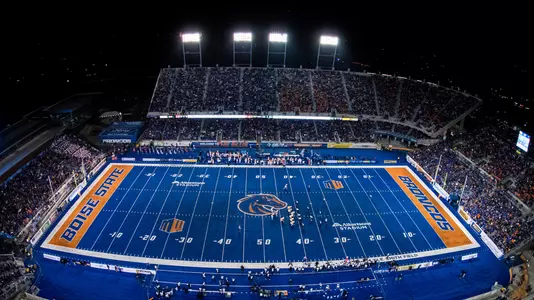
Idaho isn’t known for that many things to the common person. Growing potatoes, Boise State football, and that’s probably about it.
But maybe you can add this to the short list: the least addicted to gambling. That’s actually becoming something to hang your hate on, given the legal betting industry continues to proliferate across the country.
Idaho betting has stayed firmly against this, however. There are no casinos there, nor are there sports betting apps. The only form of gambling allowed is a state lottery, and that’s about it.
Keep on reading, and we’ll tell you about the state’s wins on the non-gambling front, and if, maybe, just maybe, things would ever change on legality…
Why Idaho Is Among The Least Gambling-Addicted States
The data comes from a WalletHub study. It ranked states’ addiction level using 20 different metrics — things like illegal gambling activity, lottery sales per capita, casino access, gambling machines, and the share of adults with gambling disorders.
Idaho wasn’t the absolute lowest (that would be Utah), but it landed in the bottom-10 nationally. Also toward the bottom are states like Vermont, Alaska, Kansas and Hawaii.
These states are bucking national trends. The National Council on Problem Gambling estimates 2.5 million Americans now have a gambling disorder, with another 5 million to 8 million dealing with mild or moderate gambling problems. That’s been an unfortunate byproduct of an absolutely booming gambling industry. In fact, the industry just hit a record $78.7 billion in revenue in 2025.
It should come as little surprise that Idaho and Utah have resisted the tax riches of legal betting. Both states have a high concentration of Latter-day Saints (Mormons, as some call them) and are religiously opposed to gambling of any kind. This is despite Nevada bordering both of them, a state that’s polar opposites to them in terms of gambling proclivity, as we explain next.
Nevada And Others Show The Other Side
To probably no one’s surprise, Nevada was ranked the most gambling-addicted state. WalletHub says about 2.7 percent of Nevada adults have gambling disorders. The state also ranks first in Gamblers Anonymous meetings per capita, casinos per capita, and gaming machines per capita. This is what decades of fully legal betting does to a state.
After Nevada came South Dakota, Montana, Mississippi, and Louisiana on the addict list. We were surprised New Jersey didn’t end up on the list given its background with betting — the state’s lawsuit is what opened the door to sports betting being unbanned at the federal level.
Anyway, what all these states have in common is easy access to casinos, gaming machines, sports betting, horse racing, or lottery play. This stuff is not just legal, but it’s painfully easy to come across. We’re talking about walking into a convenience store and getting machines to gamble on right on the spot.
This is the argument Idaho lawmakers will always point to. Once you open the door, it’s hard to keep the lid on gambling. But… is there a world where the state comes around on the issue? We explore hypotheticals in the next section.
Will Idaho Ever Legalize Betting?
As of right now, there’s zero momentum to legalize any new forms of betting in Idaho — and we mean zero! No serious bill. No major ballot push. Not even commercials betting apps are lobbying inside the state. Nothing suggests that casinos or sports betting are coming stateside anytime soon.
Most states without legal betting at least flirt with it. Georgia brings up a new sports betting bill every year. Hawaii had a real discussion about online sports betting earlier this year. Even Alabama gets proposals from time to time. Idaho? Crickets.
But could prediction markets get the conversation started at least? Maybe. Kalshi, Polymarket, and other platforms are accessible in many non-legal states, including Idaho, and lawmakers elsewhere have started treating them like sports betting in disguise.
In response, states have sued prediction markets to get them prohibited. Many of these states have been counter-sued by the federal government since, technically, prediction markets are federally regulated — meaning states have no choice on the issue, for now.
Idaho has yet to take any action against prediction markets, but they might, especially as more states dial up the pressure. As we said, they work perfectly fine inside Idaho. Any money being put in by users leaves the state and goes into Kalshi or Polymarket’s pockets so Idaho is missing out here.
Never say never, of course. Money has a funny way of changing political minds. But if we’re ranking the 11 non-legal states by likelihood of legalization, Idaho is near the very bottom.
And in a way, earning this WalletHub ranking only strengthens the anti-gambling mindset. We mean, it feels like a badge of honor, doesn’t it? Lawmakers can point to the data and say, “See? Less access means fewer problems, unlike those other states.” Whether that’s an accurate story or not is besides the point because it’s a pretty convenient argument.
 Online betting sites