 by
by
March Madness betting is pretty much peak entertainment. Outside of Super Bowl betting, it doesn’t get better than this — 68 teams. Nonstop games for a few weekends in a row. And yes, backbreaking upsets.
However, recent betting scandals — including multiple in California — have put the NCAA Tournament under a new microscope. We will begin to see signs of that in 2026. Stick with us as we explain what will be different come this March Madness.
NCAA Forces Teams To Report Injuries Before Tourney Games
For the first time ever, the NCAA is rolling out player-availability reports for the 2026 men’s and women’s basketball tournaments. Teams will have to submit reports the night before each game and again two hours before tipoff. Players will be listed as “questionable” or “out,” and everyone else will be assumed available. These reports will be public for every March Madness matchup. Schools that don’t follow the rules — or submit something inaccurate — can face penalties decided by the NCAA basketball committees, according to the announcement.
The NCAA says the goal is to protect players from harassment tied to sports betting and to keep game integrity intact as pressure grows for college sports to adopt the same transparency standards pro leagues use. HD Intelligence, which already runs availability systems for several conferences, will oversee the process and make sure there’s no “funny business.”
The move basically pulls college hoops closer to what the NFL and NBA have been doing for years with mandatory injury reports — cutting down on inside info and making everyone play by the same transparency rules. It also fits with what we’ve already seen inside college sports. The SEC and Big Ten both rolled out mandatory availability reports for football last season, which was the NCAA’s first real push toward getting every conference on the same page.
We think this is a good move, but we also have to acknowledge the timing of it. This was announced at the tail-end of October, just weeks after the biggest betting scandal we’ve seen since legalized betting became mainstream.
New NCAA Rule Is In Direct Response To Latest Betting Scandals
Of course, the big scandal we’re talking about was the one that involved NBA players and coaches — Chauncey Billups, Terry Rozier, and Damon Jones. The current or former hoops are all accused of the thing the NCAA is trying to prevent: inside info leaking to bettors and fake injuries to rig bets.
The individual nature of basketball has made it a magnet for illegal betting, more than any other sport. Rozier is accused of faking an injury in order to go under on a prop bet involving his stat line. Jones, meanwhile, was said to be giving bettors inside info on whether or not LeBron James would play due to injury. Billups was doing similar, only leaking info on players resting due to “tanking.”
The NCAA doesn’t want the same story to undo them. And if we’re being honest, college athletes are more susceptible to this than pros. That’s because they make a fraction of the money NBA coaches and players do. A shady figure offering them $20,000 to fake an injury is worth considering at that age if you pay for, say, the University of Dayton.
Hell, it’s sort of already happened in college basketball. Two different California teams have been marred by this in the past two years as we get into the next.
Fresno State, San Jose State Rocked
The NCAA has mostly steered clear of betting issues aside from three players who spent time between Fresno State and San Jose State. After investigation, the three — Mykell Robinson, Steven Vasquez, and Jalen Weaver — were permanently banned for betting illegally. All three were betting on their own games and feeding info to outside bettors, again, what rhe NCAA wants to avoid.
Investigators started digging after suspicious prop bets popped up on Robinson’s stat lines while at Fresno. Texts between Robinson and Vasquez showed Robinson flat-out saying he would underperform in certain categories during a regular-season game. The two, along with a third person, bet $2,200 on his unders and pulled in almost $16,000 after he delivered exactly what they wagered on.
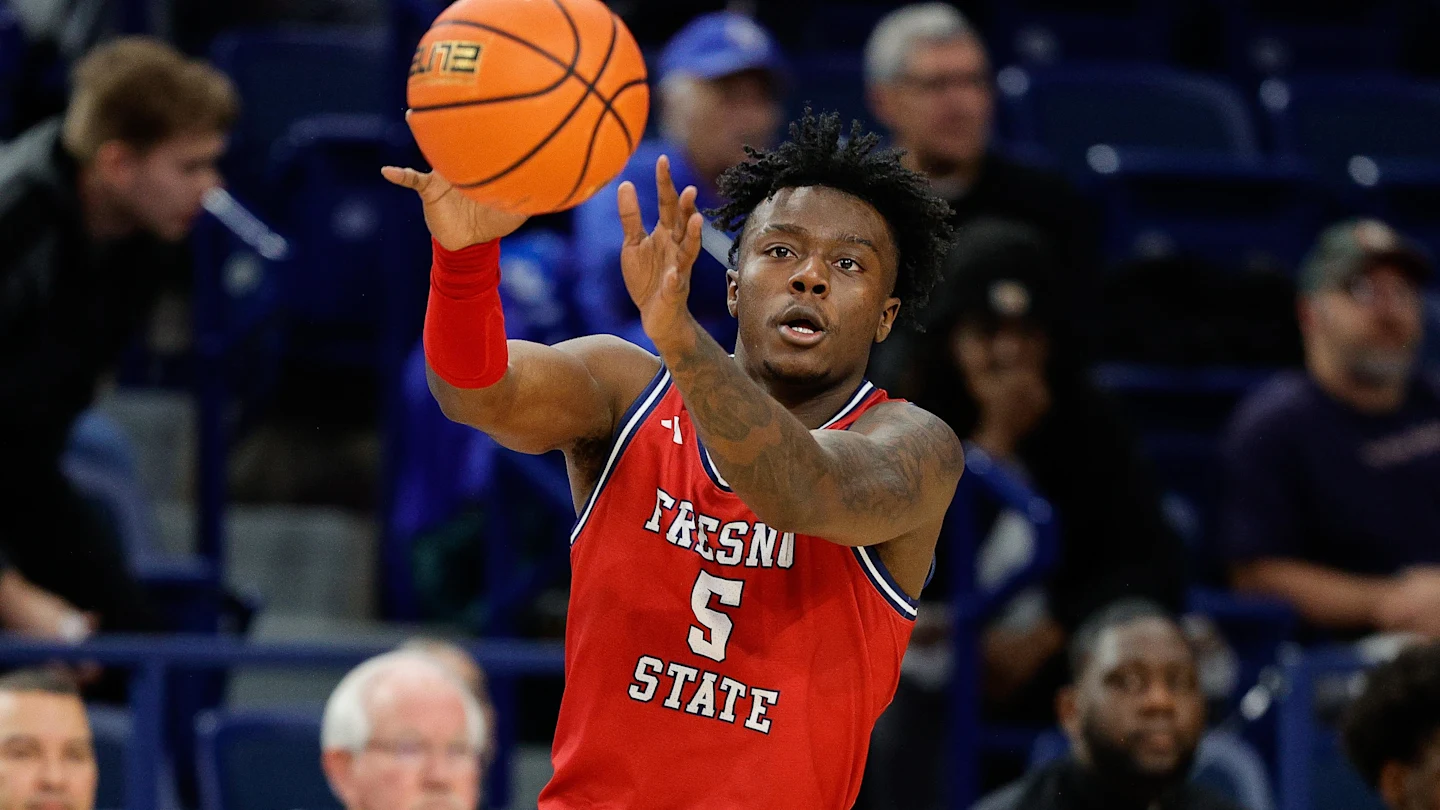
It didn’t end there. Robinson placed 13 DFS-style bets on himself throughout the season, including parlays that involved his own stat lines. He also shared betting-line info with Weaver before a December game. Weaver placed a $50 parlay that included both of their stats and won $260 when it hit.
Robinson and Vasquez refused to cooperate, while Weaver admitted his role. All three players were dismissed from their programs (some had transferred to other schools by then) and banned for life. Yep, the Pete Rose treatment.
Obviously, this is a bad story, but it would’ve been magnified had it happened to bigger schools and/or in the NCAA Tournament. So you can credit the NCAA for being proactive for once and trying to get ahead on an issue like this, which frankly, could bring down the prestige of its biggest event.
 Online betting sites