 by
by
California Gavin Newsom is the “man of the hour” as of late. He’s spatted with President Donald Trump over every issue under the sun, most notably illegal immigration.
Many believe Newsom is opening the door for a run at president in 2028 when Trump is no longer on the ballot. He’s upped his social media presence and anti-Trump rhetoric to be in that position.
But.. he’s still the state governor. And on lesser issues like California’s betting market, he’s coming down on certain things. With the write of a pen, Newsome has just put the nail in the coffin of sweepstake casinos. That’s right, the casinos are no longer legally allowed in the Golden State. Keep reading and we’ll update you on the situation.
Newsom Signs Bill To Law
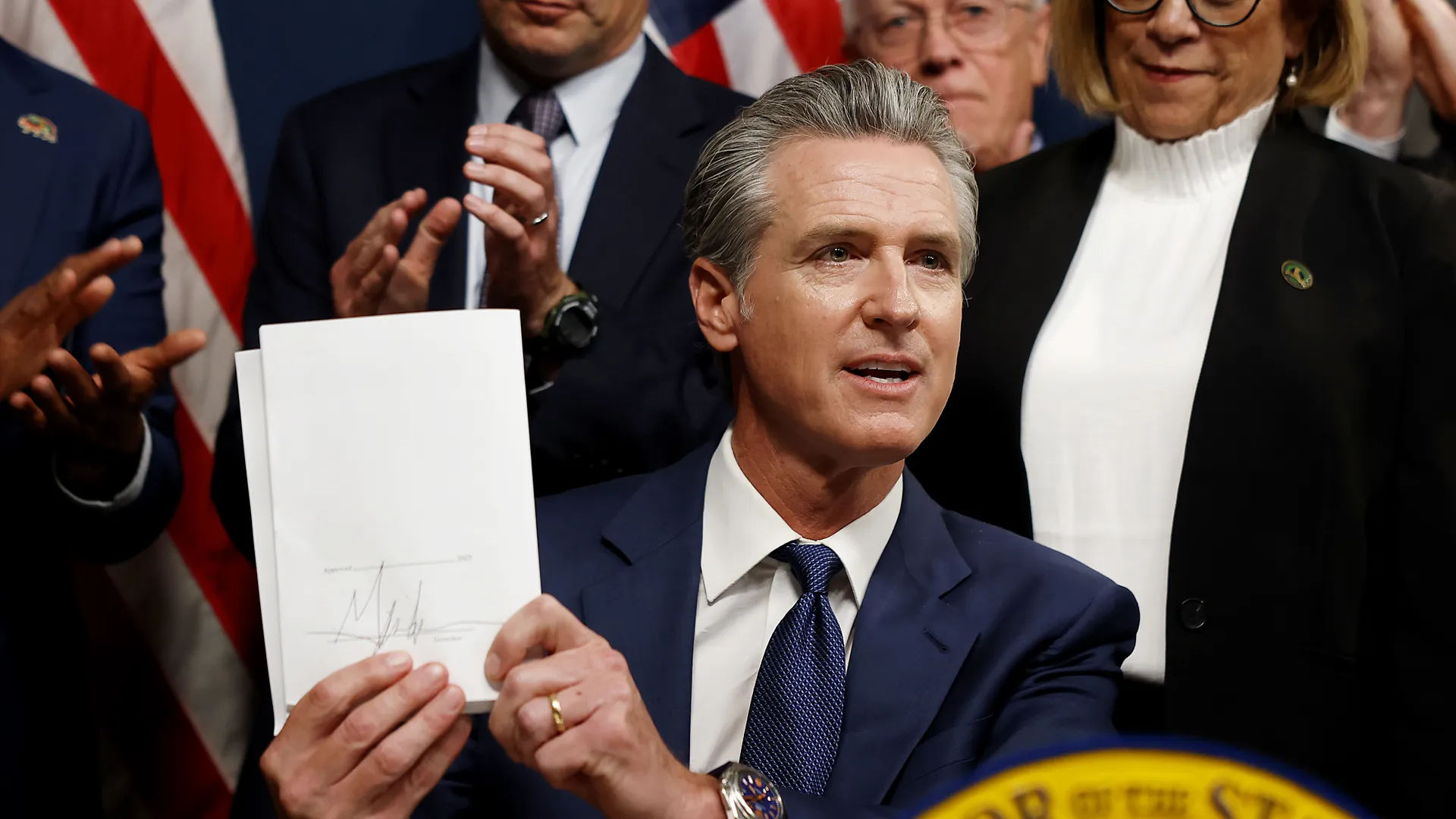
It’s official — Newsom signed AB 831 into law, and it’ll take effect on January 1. When that date hits, every sweepstakes operator still running in the state will have to shut down or face prosecution. There were zero “no” votes in either chamber of the legislature. Zero. The bill cruised through Sacramento without even a hiccup, which tells you just how united the political class is on this issue.
The goal is simple: keep California’s gambling market tribal-run. Lawmakers see sweepstakes casinos as a backdoor version of online betting — one that undercuts the state’s legal betting system, which is tribal run. Those tribes have exclusive rights to operate casinos under compacts with the state, and they weren’t about to sit back and lose grip on that.
The California Nations Indian Gaming Association (CNIGA), the state’s most powerful tribal lobby, was a driving force behind the bill. They called sweepstakes casinos “unregulated operators infringing on tribal sovereignty,” and that framing stuck. Once CNIGA threw its weight behind AB 831, it was pretty much game over. The association represents over forty tribes, many of which have poured hundreds of millions into their casinos — so any threat to that ecosystem is treated like an emergency.
California’s huge population — nearly 40 million people — makes this an especially devastating loss for sweepstakes operators. The Golden State is essentially a golden goose for the industry given its size (and affluent residents).
Sweepstakes Industry Going Down Swinging
Naturally, the sweepstakes industry didn’t take the ban lying down. The Social Gaming Leadership Alliance (SGLA), which represents a handful of online sweepstakes operators, launched a last-ditch effort to get Newsom to veto the bill. Their argument? That banning these platforms would wipe $1 billion out of California’s economy and kill jobs that support smaller tribal nations, payment processors, and marketing partners.
SGLA even commissioned a poll that found 85 percent of Californians wanted the state to regulate and tax sweepstakes operators instead of banning them outright. Their pitch was: don’t kill the golden goose — just domesticate it. But lawmakers didn’t bite. The bill’s supporters said regulation would just normalize unlicensed gambling.
Pushback wasn’t limited to just sweepstakes companies, though. A few smaller tribes — including the Kletsel Dehe Wintun, Sherwood Valley Rancheria, Mechoopda, and Big Lagoon Rancheria — broke ranks with CNIGA and opposed the bill. They argued that sweepstakes could be an opportunity for less wealthy tribes without major casino operations to tap into digital gaming revenue. By banning the platforms, they said, the state was cementing the power of the largest, richest tribal casinos while leaving everyone else behind.
Still, those voices were drowned out by the majority. Most tribes have deep pockets, strong lobbyists, and longstanding ties to state officials. They were the same groups that blocked the top betting apps (namly DraftKings and FanDuel) ballot initiatives in 2022. Those were deep-pocked opponents, far more than these smaller sweepstakes casinos that didn’t stand a chance.
A Growing National Crackdown
California’s ban doesn’t exist in a vacuum — it’s part of a national pattern that’s getting louder by the month. States are lining up to kill off sweepstakes casinos before they can reach critical mass. Arizona, Connecticut, and Montana already have full bans in place. Nevada upped its penalties with SB 256, while New York’s own prohibition bill is on Governor Hochul’s desk waiting for her signature.
Even states that haven’t passed bans yet are taking steps to rein them in. Pennsylvania has issued nearly 20 cease-and-desist orders to operators, while New Jersey lawmakers are drafting similar restrictions. And don’t forget Ohio and Mississippi, where discussions about tighter oversight are already underway.
Sweepstakes casinos exploded in popularity because they skirted traditional gambling laws. By using “virtual coins” and offering “sweeps” as prize redemptions, they could operate without being technically classified as gambling. But as these platforms grew — pulling in hundreds of millions in deposits — states finally took notice and brought down the ban hammers.
For now California gets what it wants: control. Tribal compacts, tax revenues, and political alliances all depend on a tightly contained gambling ecosystem. AB 831 reinforces that. And for everyone else watching from the sidelines — sweepstakes casinos, players, and states alike — the message couldn’t be clearer: the casino loopholes are shrinking.
 Online betting sites