 by
by
If it feels like there’s a new story every day about whether prediction markets are legal or not, well, it’s because there is. The issue has gone mainstream in every corner of the United States, and the world, really.
This has been in lockstep with the rise of prediction markets themselves. Earlier this year, the likes of Kalshi and Polymarket began offering sports contracts — they don’t call them bets, which as at the heart of the issue (more on that later). Anyway, trading volume exploded by the billions on both platforms. This type of activity caught the attention of sports betting apps and yes, regulators and politicians.
This past week, more news came out from Congress members. A number of them, including a few in California, are questioning the legality of this whole thing. Keep reading, and we’ll bring you up to speed with their concerns.
Congress Is Now Watching
For as much criticism as there’s been on prediction markets, Congress has mostly stayed away from the issue. Well, until now. During a House Committee on Agriculture session tied to reauthorizing the Commodity Futures Trading Commission, lawmakers openly questioned whether prediction markets have wandered far outside their original lane.
The hearing was supposed to be about funding and oversight of the CFTC, a regulator whose authorization technically expired back in 2013. But it didn’t take long for prediction market talk to hijack the conversation. Like critics before, these Congress members are wondering if prediction markets are sidestepping legal betting rules to offer these precision markets?
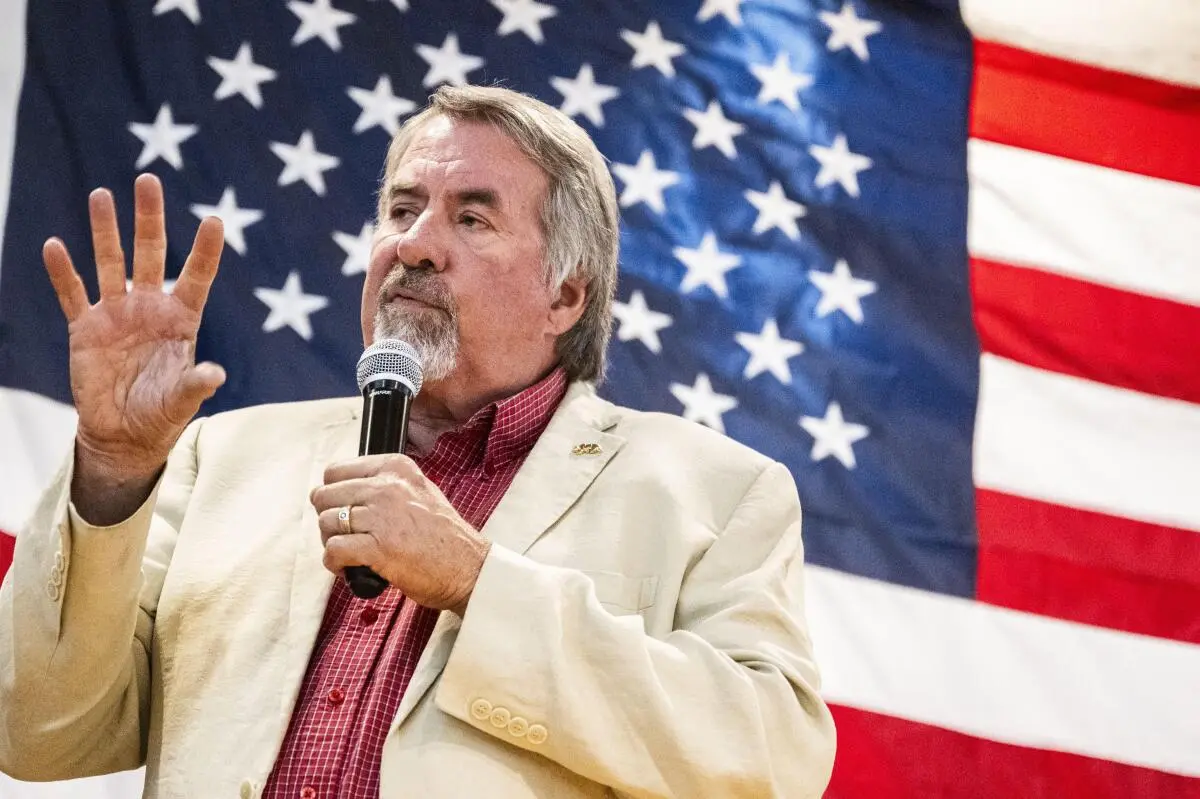
Representative Doug LaMalfa of California didn’t mince words. He challenged the argument that prediction market platforms make that sports event contracts should be treated as financial instruments. “Sports betting is somehow being defined as in the bailiwick of the CFTC. They’re being called trades when it’s flat-out gambling.” Of course, sports betting in California is illegal, yet these prediction platforms work just fine at the moment.
The exact loophole that prediction markets are exploiting to offer “sports contracts” in non-legal states like California is simple: they are derivatives, governed by federal commodities law and overseen by the CFTC, hence why the Congress discussion steered this way.
LaMalfa pressed former CFTC General Counsel Rob Schwartz on whether the agency is even equipped to regulate something this close to betting. Schwartz, to his credit, was as honest as can be. “I don’t think the CFTC has adequate resources now.”
Tribes And States Feel Cut Out
California is one of 11 states that still bar sports betting in the traditional sense. So it’s obvious why they are wary of prediction markets. However, even in states that do allow betting, the rise of predictions poses a threat of its own: eating away at their current laws and incumbents.
Representative Gabe Vasquez of New Mexico was also a part of the metering. As it stands, his state does allow sports betting, but with an important caveat — only through tribal casinos. These tribes negotiated compacts that involve state, federal, and tribal oversight to have this privilege.
Prediction markets blow right past that privilege. They don’t require state licenses. They don’t contribute to tribal revenue. And they don’t operate under the same consumer protections baked into state sports betting laws. Vasquez warned that shifting sports wagering into the CFTC’s jurisdiction would effectively bypass the entire system that states and tribes spent years building.
“That has real consequences for tribal revenue and tribal authority,” he said, urging lawmakers to consider tightening federal law to explicitly limit sports-related event contracts.
CFTC Under Fire For Other Issues
The CFTC was the whipping boy of the meeting. Another sticking point was the organization’s self-certification process, which allows exchanges to list new contracts unless the regulator intervenes. Several lawmakers questioned whether that system makes sense when applied to sports outcomes.
Here again, another representative of California, Salud Carbajal, had something to say. Carbajal said his office has heard growing concerns about unregulated betting tied to prediction markets.
Makes sense, right? Because of proper regulation in place, the NBA betting scandal was nipped early. DraftKings has a compliance team that caught wind of unusual betting activity tied to Terry Rozier’s in-game prop. They notified the proper channels — the NBA and eventually, the FBI — before an arrest was made.
If Rozier’s buddies were being prediction markets instead of betting apps, that would’ve flown under the radar since they don’t really regulate betting activity. This is one easy example, but prediction markets are ripe with opportunities for those with inside information. Not just on sports, but more far-reaching events like politics (a popular market right now is if United States will invade Venezuela).
So you can understand why this issue is getting so big, right? Yes, there’s tax revenue involved, but there’s also a huge opportunity to influence public opinion being these markets, for better or for worse.
Congress didn’t take any action in the meeting, as it was just a discussion. But we don’t expect that always to be the case. Eventually, someone will have to decide on whether these things are legal. If not Congress, then likely the Supreme Court of the United States.
 Online betting sites