 by
by

You’ve probably seen the headlines or viral videos of empty casino floors and parking lots — all alluding to Las Vegas being “dead.” Of course, they don’t mean that literally, but in the sense that it’s not as vibrant as it usually is.
Many say less traffic and spending in Sin City is a tell-tale sign that the United States economy is in a full-blown recession. But is that true? Or is it just engagement-bait to elicit a response?
Well, we’ve dug through the data to tell us how Las Vegas betting is really faring. The results? Well, it’s a mixed bag. Keep reading and we’ll tell you what we’ve found out about the city’s economic performance.
Las Vegas Employment Looking Shaky
First things first, a lot of our data covers January to June — a full six months. Not July or August, and surely not September since we’re still in it. Still, that’s half of the year right there.
Well, we wanted to start on the jobs front. After all, if the city was busy, Las Vegas casinos and hotels would need employees to manage them all — park valet cars, clean rooms, serve food and beverages, deal cards, and so on. Unlike other industries, AI can’t replace these physical jobs. Not yet at least.
So what’s the outlook? Not good, if we’re being honest. In June, the metro jobless rate hit 5.8 percent, the third-worst out of any U.S. city with a million-plus population. That’s not just a bad month, that’s a troubling trend for a city that’s supposed to be the legal betting and entertainment capital of the world.
Visitor numbers aren’t helping. Through the first half of the year, 19.5 million people came to Vegas, which sounds huge until you realize it’s 7.3 percent fewer than last year. June was even uglier with an 11 percent drop from 2023. Fewer people flying in, fewer hotel rooms booked, fewer meals served — the ripple effect touches every corner of the Strip, including employment and the large city economy.
You see, over 308,000 people work in leisure and hospitality jobs as of June. That’s 27 percent of the city’s entire workforce compared to just 11 percent nationally. In other words, Vegas is more dependent on casino and hotel jobs than anywhere else, which makes dips in visitors and unemployment all that much scarier.
Economists warn not all of this unemployment is layoffs, though. Some of it is people quitting, trying to re-enter the workforce, or just hunting for a new gig. Still, the bigger story is that Vegas looks “flatter” economically than it used to be as early as last year. But… that’s not all we dug up.
More Cracks In The Las Vegas Broader Economy
Las Vegas might still have 2.4 million locals and millions of monthly visitors, but the money just isn’t flowing like it used to. You can see it in other data — restaurants, clothing stores, even electronics shops are pulling in less. That doesn’t happen in a city like this unless both tourists and residents are feeling the squeeze.
The food and drink numbers really tell the story. From July 2024 through May 2025, sales were nearly $11.7 billion in Clark County. Sounds huge, right? But that’s still down 1.6 percent from the year before. In real terms, that’s about $192 million that never got spent at bars, steakhouses, or taco shops. Multiply that across other categories, and the hole gets bigger.
Why’s it happening? Part of it is tourism. Fewer visitors equals fewer people buying overpriced cocktails on the Strip ($20 for a margarita!) or NFL betting at the sportsbook. But inflation is hitting locals, too. Higher rent, higher gas, higher groceries — all of it means less room for extras. And when the “fun money” dries up, Las Vegas feels it instantly.
Is Trump To Blame?
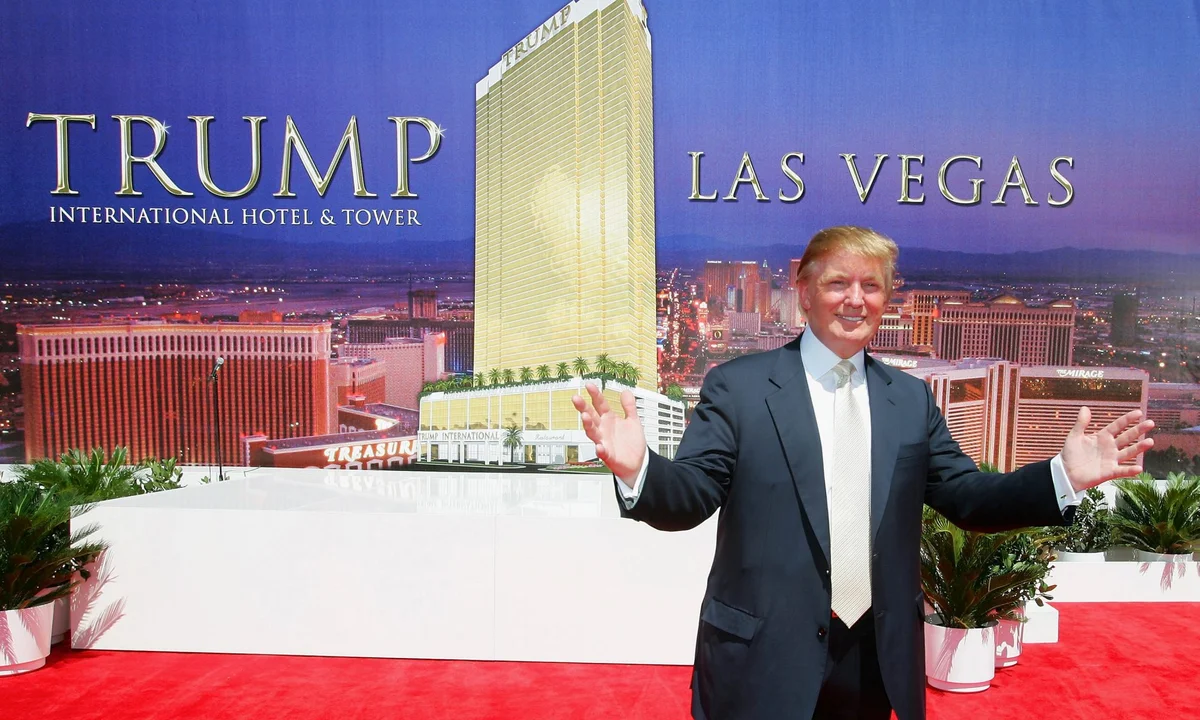
When you’re the President of the United States, everything is either credited or blamed on you. High gas prices? The President’s fault. Roaring economy? All because of the president. This is amplified when you’re Donald Trump, an equally loved and hated figure in American politics.
But in this special case, Trump may have some blame in Las Vegas’ recent woes. His “America First” messaging and threat of tariffs to every nation in the world haven’t gone over well with foreigners. And it’s starting to show in flight data.
Look at Canada, a country Trump joked about getting annexed and becoming the “51st state.” Welp, travel from the northern neighbor is down big time. WestJet, the top international carrier serving Las Vegas, moved about 344,000 passengers through Harry Reid International in the first half of this year — a 21.5 percent drop compared to last year. Air Canada, the second-largest player, saw its own traffic fall 13 percent in that same span.
The decline lines up with trade tensions and tariff threats that have rippled through the broader U.S. economy. Stock market swings and weaker consumer confidence haven’t just hurt business owners at home — they’ve discouraged would-be tourists from abroad, too. When your key international feeder markets feel unwelcome or financially squeezed, they’re less likely to fly into town to splash cash on hotel rooms, gambling, or high-end dinners (even if it’s Gordon Ramsey).
So is Vegas dead? No, but it’s definitely on a downturn. How long this downturn lasts is the bigger question, though, and we might not have an answer for a long, long time…
 Online betting sites