 by
by
Ohio Governor Mike DeWine is in legacy mode. He’s entering the final year in his role as his term wraps up in November 2026. He’s been in the role since 2019, so yes, he’s thinking about his legacy.
DeWine has been quite open about one stain on his resume: legalizing sports betting. It was in 2018 when PAPSA was removed, thus removing the federal ban on betting on sports.
While many other states rush to legalize, Ohio didn’t. In fact, Ohio sports betting didn’t launch until 2023. And in under three years, legalizing it has become a sticking point for DeWine. This isn’t us talking either, he’s been on a media tour saying such. Keep reading, and we’ll tell you what he said.
DeWine Says He Regrets It (Again)
This quote was ripped from an interview DeWine just barely did with Cleveland . com. It’s a doozy:
“People have asked me, ‘What mistakes did you make?’ And I’ll lead with signing a bill for sports gaming,” said DeWine. “It’s a huge problem among young males up to 45,” he added. It’s a huge problem. And we have many of them addicted, many of them spending money that they do not have.”
Of course, DeWine is not the first to flag such issue. It’s been part of the national conversation, so much so that the top two sports betting apps — DraftKings and FanDuel — just announced that bettors will NOT be able to fund their accounts with credit cards anymore. There’s that “money they don’t have” that DeWine said.
The betting apps were a real sticking point for DeWine. Further in the interview, he detailed why these operators are the biggest issue:
“Frankly, when I signed the bill – I should’ve have, my fault, I take the blame – I didn’t count on the massive amount of advertising that these companies would do, first to get people to sign up for their app and to continue on,” DeWine said.
If we’re being honest, DeWine should’ve seen this advertising barrage coming. Rcent history would’ve told him that. When both those apps first burst onto the scene — for daily fantasy apps, not betting — they flooded ads on sports games circa 2017. Then they did the same for sports betting. All DeWine had to do was look at other states pre-2021 (when he signed the sports betting bill to law).
It feels like damage control from DeWine, which he’s been doing since the end of 2025. Previously, he told Associated Press the near exact same thing:
“Just the power of these companies and the deep, deep, deep pockets they have to advertise and do everything they can to get someone to place that bet is really different once you have legalization of them. … Ohio shouldn’t have done it.”
Sports Betting Scandals Also At Fault
Yes, you have everyday Joe’s getting knee-deep in gambling debts, but that usually flies under the radar. But when athletes and coaches are rigging games to benefit bettors, now that’s a national story.
Over the past few months, the story has entered the national conversation. In the NBA, high-profile head coaches and players are being investigated for tipping off bettors ahead of time about fake injuries and purposely resting players. It’s been a black eye for the entire sports betting complex, from the leagues to the operators to the media (that takes those advertising dollars.
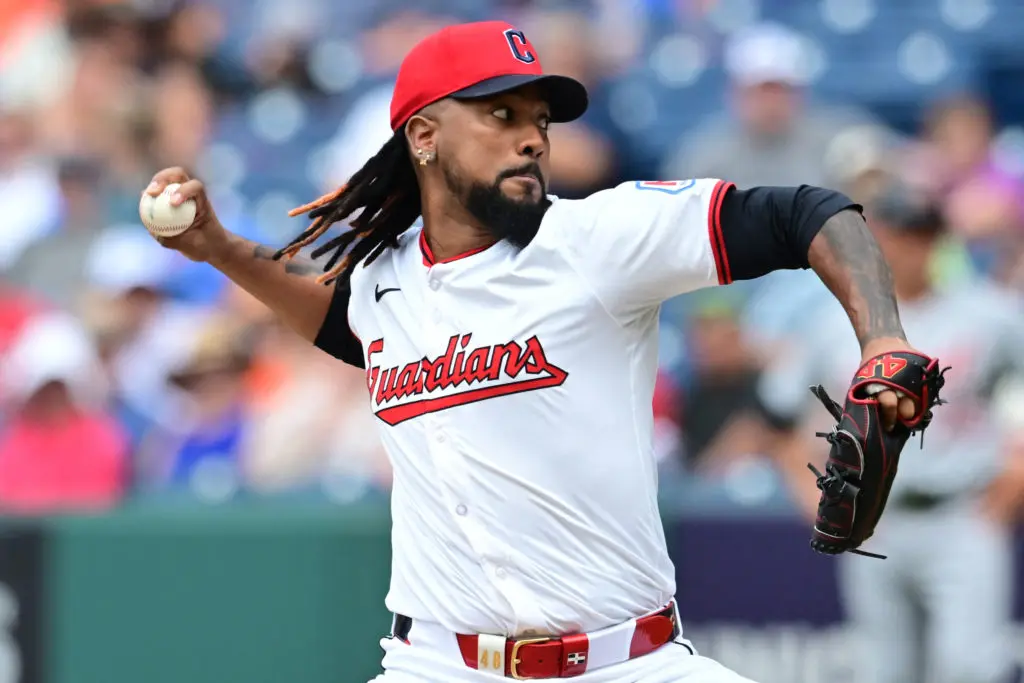
Ohio was even affected. Not by the NBA scandal, but in MLB. Two Cleveland Guardians pitchers, including one who was a Cy Young candidate just a few years ago, were put on leave for rigging pitches for prop bets. That investigation is ongoing, but it doesn’t feel like a lifetime ban for both players is imminent.
To his credit, DeWine did not sweep the issue under the rug. Immediately after, DeWine put out a statement, advocating for restrictions on these easily-rigable prop bets.
“By limiting the ability to place large wagers on micro-prop bets, Major League Baseball is taking affirmative steps to protect the integrity of the game and reduce the incentives to participate in improper betting schemes,” DeWine said in the statement. “I urge other sports leagues to follow MLB’s example.”
Tax Money Keeps Rolling In
Despite all the statements and pearl-clutching, Ohio continues to profit from the brand-new industry. In 2025, the total betting handle came out to a bit over $10 billion. That’s how much total money was bet.
But… after paying out winning bettors, revenue kept was just above $1 billion inside Ohio. This money largely goes to sportsbook operators, but with a 20 percent tax rate, over $200 million went to the state’s tax funds.
It was a monster come-up for the state — it was the first time over $1 billion in revenue was kept. And here’s the thing: growth is still there. The sports betting industry is still seeing double-digit growth so 2026 numbers should beat 2025.
All this is to say, Ohio sports betting ain’t going anywhere. No matter who’s governor, no matter who’s advertising, no matter what scandal breaks out. The state just can’t turn away from the money printer now — not when the budget depends on these revenues.
 Online betting sites