 by
by
Are the Oklahoma Sooners back? It sure looks that way.
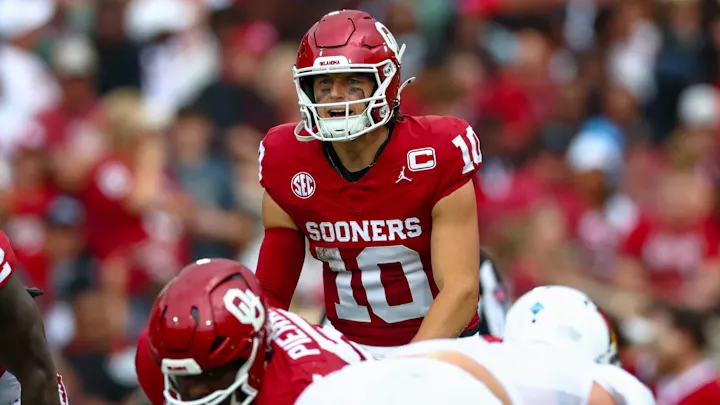
After a few down seasons, the Sooners are once again ranked nationally, No. 11 going into the fourth game of the college football season. Transfer quarterback John Mateer has re-sparked the program in its new home, the SEC.
But despite the excitement, Oklahoma bettors are feeling left out of the run. That’s because Oklahoma sports betting does not exist. Well, not the legal kind that is. The Sooner State is only one of 11 states without some form of legal sports betting in the United States.
Oklahoma is a curious case, too, given it allows casino betting. Matter of fact, it’s one of the larger states for such a thing. So why the hesitation for sports betting? Well, it’s complicated — and one lawmaker is trying to use a study to change that. Keep reading for the latest on what’s going on in Oklahoma!
One Lawmaker Is On A Quest To Legalize
Oklahoma Senator Bill Coleman is one of the few lawmakers in the state still fighting for legalized sports betting. A Republican out of Ponca City, Coleman admits he’s a fan of betting and doesn’t get why Oklahoma is dragging its feet despite sports gambling being legal at the federal level for seven years now. But he’s not just complaining, Coleman is taking action by calling for a study on the issue.
Coleman filed an interim study titled, “Sports Betting, why the heck don’t we have it?” That title alone tells you where he stands. The idea is to gather every major stakeholder — lawmakers, tribes, even pro teams like the Oklahoma City Thunder — and compare plans. Coleman wants the pros and cons of each approach laid out in public, not hashed out in closed-door bickering.
He’s also insisting the Governor’s office be present, and more importantly, tribal leaders. As Coleman himself put it, “the tribes control gambling in the state of Oklahoma. We signed a compact that said that.” Without their involvement, the process is dead on arrival.
Will a study actually move the needle? That’s the big question. On one hand, it keeps sports betting in the conversation during the offseason (the new legislative session isn’t until early 2026). On the other, it risks being more talk than action — an all-too-familiar story in Oklahoma politics as we get into in the next section.
Why Oklahoma Keeps Failing At Legalizing
Let’s be clear: the lack of sports betting in Oklahoma isn’t about not understanding the issue. It’s about disagreement. The real fight has always been between Governor Kevin Stitt and the tribes that run the state’s casino industry. And that fight has been messy for years now.
Lawmakers tried pushing bills in recent sessions, but negotiations stalled out quickly. Stitt claimed he was being left out of talks, calling the process corrupt. In one blunt moment earlier this year, he said, “there’s no possible way that I’m gonna let one industry come into this building, give someone a sheet of paper and say run this bill.” That tells you how sour the relationship is.
The tribes, for their part, have little interest in giving up leverage. They already control Oklahoma’s casino market, and sports betting would be another piece of that pie. But Stitt has floated ideas for wider competition, allowing top betting apps (e.g. DraftKings or FanDuel) a shot at the market. Tribes see that as a direct threat to their compact rights.
This standoff has lasted years. And honestly, we expect it to remain that way until Stitt is out of office, which won’t be until 2027. This isn’t speculation either, tribal leaders have come out in public and said they’re not agreeing to anything until Stitt is gone. If this feels like the relationship is beyond repair, it’s because it probably is.
Others Soak Up The Opportunity In Oklahoma
While lawmakers and tribe leaders bicker, Oklahomans aren’t just sitting on their hands. They’re betting — just not in ways the state approves. Prediction markets like Kalshi are one example. The federally legal exchange (it’s legal and available in Oklahoma) has pulled in hundreds of millions in “trading” volume since football season kicked off, and you can bet a chunk of that is coming from in-state fans who want action on Sooners or Cowboys games.
Then there are offshore sportsbooks, which remain one click away. These sites aren’t licensed, but work just fine across states with no legal betting. Oklahoma is no exception. For players, they’re easy, they’re accessible, and they don’t care that lawmakers in Oklahoma City can’t get their act together.
Border states are cashing in, too. Arkansas and Kansas already have legal sportsbooks running, and plenty of Oklahomans living near those borders make the quick drive over state lines to place bets. Every dollar wagered there is money Oklahoma could’ve kept in its own coffers — if leaders ever came to an agreement.
All this activity shows the demand is real. Fans are already spending their money, just not inside the regulated framework Oklahoma keeps rejecting. Until the tribes and Governor Stitt find common ground — which looks unlikely before 2027 — the state will keep losing billions to prediction markets, offshore sites, and neighboring states.
 Online betting sites