 by
by

One of the most crushing feelings of the human experience is staying stuck while others around you are progressing. Wars have been fought over this gnawing feeling, and on the contrary, geniuses have been made, too.
You have to wonder if that feeling is sinking into South Carolina when it comes to legal sports betting? The state is one of 11 in the country without it. All around them, though, states are legalizing and making a killing off it.
That includes its neighbor to the north, North Carolina. The betting industry is actually going so well there that they might hike its tax rate because they underestimated its popularity. We have details on the idea in this article, plus a guess at whether South Carolina cares or not.
North Carolina Could Get Aggressive With Betting Taxes
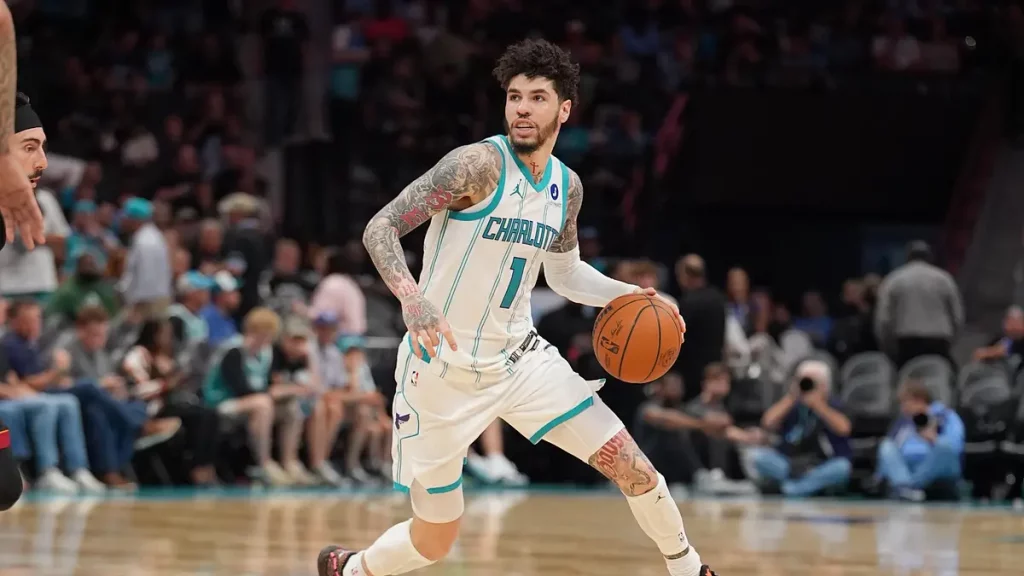
When betting first came to North Carolina in early 2024, the state kept taxes at a meager 18 percent. That’s on the low side compared to other states. Perhaps they didn’t want to derail a brand-new industry out of the gate.
And that they did not. North Carolina’s betting industry has boomed ever since. Two years after launching, the state accepted over $13 billion in bets. Of that money, $262 million became tax money for the state itself. That quick success is why local politicians are going back into the well to get more.
The state is currently reworking its annual budget. As part of those discussions, lawmakers have pitched the idea of a bigger tax on sports betting and lottery sales. Nothing is official, but it’s likely to happen. A new tax rate would likely fall between 20 and 30 percent.
As it stands, one percent of South Carolina’s budget comes from the current tax. So increasing it would be a nice, extra windfall for the state. For example, if taxes had been at 30 percent from the get-go, South Carolina would’ve banked an additional $200 million in tax revenue.
On top of supporting the state’s general fund, sports betting taxes also get funneled elsewhere. Problem gambling services get some money, but so do the athletic programs of the 13 UNC system schools. As the cost of college sports keeps ballooning, we’re sure those schools wouldn’t mind some extra money.
All this is to say, increasing the tax rate makes a whole lot of sense. So you’d think this ends up happening sooner rather than later.
Is The Pressure On South Carolina To Legalize?
You would think North Carolina’s overwhelming success would light a fire under South Carolina, right? The state next door legalized this thing, and in just two years, has banked close to $300 million in new tax money — a number that could shoot up even more if taxes are raised.
We hate to say it, but South Carolina betting isn’t any closer to legalizing today than the beginning of 2024 (before North Carolina launched). There’s been some bills and discussion, but nothing noteworthy.
For instance, a recent sports betting bill, S 444, did get a hearing earlier this year. The bill would’ve legalized statewide online betting, created a South Carolina Sports Wagering Commission, allowed up to eight online licenses, and taxed sportsbook revenue at 12.5 percent (that’s painfully low, but hey, better than nothing).
But the bill never actually went to a vote and died when the legislative session ended on May 7. That should tell you exactly where things stand. The issue isn’t important enough to South Carolina lawmakers to bring to a real vote. Most write it off for moral reasons or concerns of addiction.
That’s what makes the North Carolina comparison so different. The state next door is no longer debating hypotheticals. It has numbers. It has tax revenue. It has money going toward problem gambling programs and public university athletics.
Does that put pressure on South Carolina? Yes, but pressure doesn’t always equal action. Lawmakers can see the money leaving the state. But until the political appetite changes, North Carolina’s success might just be another reminder of what South Carolina is choosing not to do.
South Carolina Has Other Ways To Bet
Worse of all? It’s not like people in South Carolina aren’t finding ways to put money on sports despite it being prohibited. Offshore sportsbooks are highly popular in the state, and prediction markets are having a boom period of its own.
A recent report from Eilers & Krejcik found that 69 percent of sports-contract volume on prediction markets like Kalshi or Polymarket comes from states without legal online sports betting. Translation: states like South Carolina are helping fuel these platforms because bettors don’t have the usual sports betting apps to use.
That’s the part lawmakers never seem to fully understand. Prohibition doesn’t end demand — never has, never will (study when the country banned alcohol in the early 20th century). It just pushes demand somewhere else. And in this case, that’s out of state or to online platforms that don’t funnel taxes back in-state.
 Online betting sites