 by
by
There’s been a recent mass exodus of the National Council on Problem Gambling (NCPG). Not one, not two, not three, but four state affiliates have backed out of the group.
Not because they’re ok with bettors succumbing to problem gambling. No, because the NCPG has gotten cozy with prediction market Kalshi — or so the defectors allege.
The third state to leave was Washington. Their group officially goes by the Evergreen Council on Problem Gambling (ECPG), but it represents the state (not city) of Washington.
Here’s the thing: Washington might not be the last to leave. Many other states are considering it. Stick with us as we get to the bottom of this growing mess across the legal sports betting industry.
Why washington walked away
Washington officially cut ties with the NCPG on Sept. 17. The ECPG did not go quietly into the night either. No, they exited with a scathing 8-page letter, mostly aimed at Kalshi.
Let’s backtrack a tad, shall we? The issue goes back to May, when Kalshi agreed to give the NCPG $2 million over two years. That alone was enough to raise some eyebrows, but the NCPG also created a new membership category for Kalshi as part of the partnership. This peeved many states, including Washington.
Kalshi, as you know, has a driven a wedge into the whole industry. Many states believe them and other prediction markets are illegally operating betting products outside their local regulations. Kalshi is a “contract market”, and has federal approval, allowing them to essentially do as they please across the country.
In response, state after state has sued Kalshi — including Washington. Attorney General Nick Brown sued the prediction market in March, arguing Kalshi is offering illegal gambling disguised as a financial product. A Washington judge has since found the state likely to succeed on those claims and ordered Kalshi to stop offering many of its markets there while the case continues.
Knowing all this, you can see why the optics are so bad. You have one Washington organization trying to combat problem gambling (ECPG) watching its national partner accept millions from a company (Kalshi) Washington itself is trying to kick out of the state.
But… the ECPG left the door open on the way out. ECPG President Dr. Ty Lostutter ended the withdrawal letter by saying the two organizations could hopefully continue finding common ground on helping people harmed by gambling. That’s a nice way of hinting at, “get rid of Kalshi, and we’ll rejoin.”
Three states also peaced out
Washington is actually a late straggler. Before them, Ohio, Michigan and Nevada had already cut ties with NCPG over the Kalshi deal.
Ohio was the first mover. The Ohio Casino Control Commission withdrew back in June, about a month after the NCPG announced the Kalshi partnership. Earlier this year, Ohio fined Kalshi $5 million so it was an easy decision for them to leave the council.
Michigan followed suit in July and took the argument one step further. Its gaming regulator said presenting sports-event contracts as a financial strategy could actually make problem gambling worse — undermining the whole purpose of the council.
Nevada also dipped out this summer, saying it no longer felt aligned with the national organization.
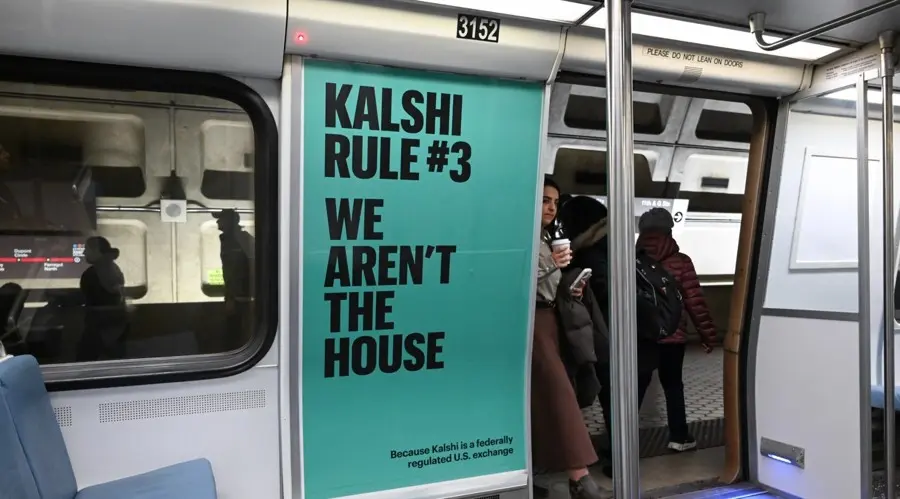
So now you have four different states all essentially saying the same thing: the NCPG are being hypocrites by aligning with Kalshi, a company that openly says “you can bet on anything” on its advertisements. Surely, that messaging is perfect for problem gamblers, ain’t it?!?
What other states will ditch the NCPG?
In a small glimmer of hope for the NCPG, Massachusetts recently announced they’re staying on the council. The state — which is where sports betting app DraftKings is headquartered — floated the idea of leaving publicly before choosing to stay.
Regardless, the pressure is mounting on the NCPG with the four exits. At what point do they reconsider the deal with Kalshi or risk losing more members?
To add some context to the original agreement: Kalshi pledged $2 million over two years to the NCPG, which then created a new “Financial Services and Trading” membership category and an initiative focused on trader health and safety.
It was ironic since Kalshi, Polymarket, and other prediction markets avoid saying their users are “gambling” on their products. To be fair to the NCPG, they originally said that prediction markets and financial-event contracts can create the same addictive behaviors and financial harms as traditional gambling, so having resources aimed at those users fits its so-called mission.
The NCPG also insists taking Kalshi’s money does NOT mean it endorses Kalshi, prediction markets, or their legality. Of course, many states scoff at that…
Anyway, this is just one more example of the mess prediction markets have made inside the betting industry. Now even a partisan issue like “avoid additive gambling” is being caught in the middle of this nasty fight that still sees no end.
Kalshi has beaten some states in lawsuits, but then lost others. It seems there’s no consensus on the issue whatsoever — and there probably isn’t going to be until the Supreme Court decides for all. But that’s still years away, so buckle up for this mess to get even messier.
 Online betting sites