 by
by

Betting in California is quite limited. Yet, that hasn’t stopped the state from being a complete battleground for legal betting, the little that’s allowed that is.
Right now, the state is openly campaigning against prediction markets. But more than that, the state is in the middle of an ugly fight between card rooms and Native American tribes. The latter have the exclusive right to offer betting in the state, and that’s why they’re at each other’s throats.
But here’s the irony: the lawmakers in California might not want this debate settled anytime soon. There’s a new story out of CalMatters that argues how local politicians are effectively “playing both sides.” Yes, really! Keep on reading, and we’ll explain this messy, but financially lucrative issue for everyone involved!
Politicians Are Playing Both Sides
Card rooms and tribes have been spatting in public for decades now. A lawsuit finally got launched this year to settle the score… only after lawmakers passed SB 549 (the Tribal Nations Access to Justice Act) that gave the Indians the right to sue in state court. But why did the issue take this long to begin the resolution process anyway?
Speaking to CalMatters, former Democratic lawmaker from Los Angeles, Mike Gatto said the quiet part out loud.
“It keeps the fight going; it keeps the two very powerful interests caring about what goes on at the Legislature, and therefore it keeps the campaign contributions moving as well,” Gatto said.
He’s not wrong either. According to CalMatters, 27 casino-owning tribes have donated at least $15.8 million to current members of the California Legislature. Card rooms and affiliated companies have chipped in another $2.8 million. Hell, even Attorney General Rob Bonta has received donations from both sides over the years, though his office says those contributions played no role in his regulatory decisions.
To be clear, nobody is accusing lawmakers of taking orders from donors. But if you’re a politician, why rush to settle a dispute when two powerful industries are spending millions trying to persuade you? Every year the fight continues is another year both sides remain engaged in the political process, which includes donations.
What’s The Actual Fight About?
So you’re probably wondering, “what’s going on?” Good question, and well, it’s complicated. But the crux of the issue is on who gets to offer card games like blackjack in California.
The tribes think it’s them and only them, by law. California’s constitution gives tribes the exclusive right to offer Las Vegas-style betting in a casino setting. This has been in effect since 1999, thanks to a signed compact between the two sides.
Card rooms predate that agreement, and they’ve stuck around despite it due to a “loophole” critics would argue. You see, instead of operating traditional house-banked blackjack games, card rooms use third-party players to act as the bank. In practice, this means another company sits at the table and assumes the role the casino would normally play. Card rooms argue that structure keeps them within the state.
The tribes are calling BS on the sophisticated workaround and are now suing for infringing their exclusive rights. Also caught in the fire of this lawsuit are card games like baccarat and pai gow poker,
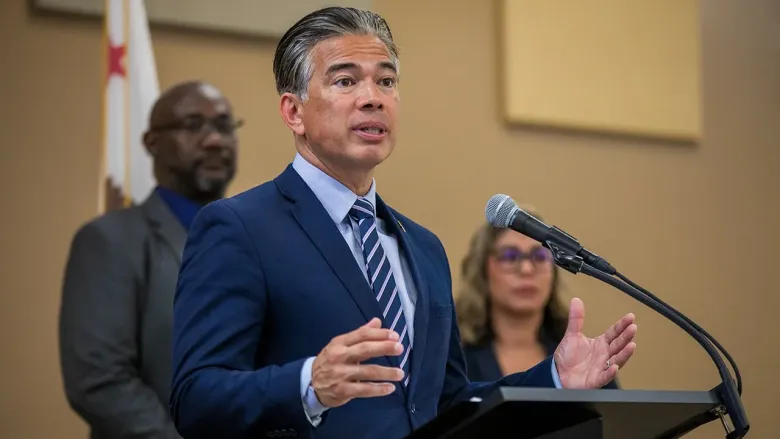
Attorney General Rob Bonta so far has largely agreed with the tribal position, which is why his office pushed regulations that would have dramatically restricted many of the games card rooms rely on. But a recent court ruling temporarily blocked those changes, giving card rooms a much-needed lifeline (for now).
Everyone’s Pockets Are Now On The Line
A lot hangs in the balance here — not just political donations. No hyperbole, there are billions at stake, and that’s not just casino revenues.
No, no, it’s more complicated than that. For tribes, the money made from casinos fund their communities. It trickles into infrastructure projects, economic development, and jobs within tribal communities. There’s no other industry that butters their bread more than gaming.
For California cities they reside in, card rooms can be just as important. San Jose officials estimate their city receives roughly $30 million annually from card room taxes. That’s enough money to fund approximately 150 police officers or more than 130 firefighters. Other California cities similarly depend on gambling revenue to help balance local budgets.
Then there are the card rooms themselves, which are fighting extinction if the lawsuit isn’t won (the tribes will continue to operate casinos, so they’re less at risk). But card rooms are big business, and the regulations that the AG tried to pass would put them immediately out of business.
That’s why neither side appears willing to back down. The tribes see an existential threat to their exclusivity. Card rooms see a threat to a business model they’ve used for decades before the tribes arrived on the scene. Cities see a threat to tax revenue. And politicians, yes, they see two powerful groups competing for influence.
It’ll take some time for the lawsuit to be settled, but boy, is it going to be a bombshell when it does…
 Online betting sites