 by
by
We’re three weeks away from the start of the 2026 World Cup that’ll stretch across Canada, Mexico, and the United States. And it looks like there will be no sponsorship deals with major sports betting apps and FIFA.
That’s surprising to us. One, because it feels like a match made in heaven. FIFA wants to maximize revenue (you see these game ticket prices?), and sportsbooks want maximum visibility to their brand. Two, FIFA does do sponsorships with gambling companies so it’s not like they’re against it.
Look, we don’t know why a deal hasn’t been struck. Maybe it’s just a money thing (FIFA is asking for too much or American-based sportsbooks don’t think it’s worth it). But… we got thinking. Could the lack of legalized betting in America host cities be a contributing factor? Keep reading, and we’ll explain our hypothesis.
Betting Banned In More Than Half Of American Host Cities
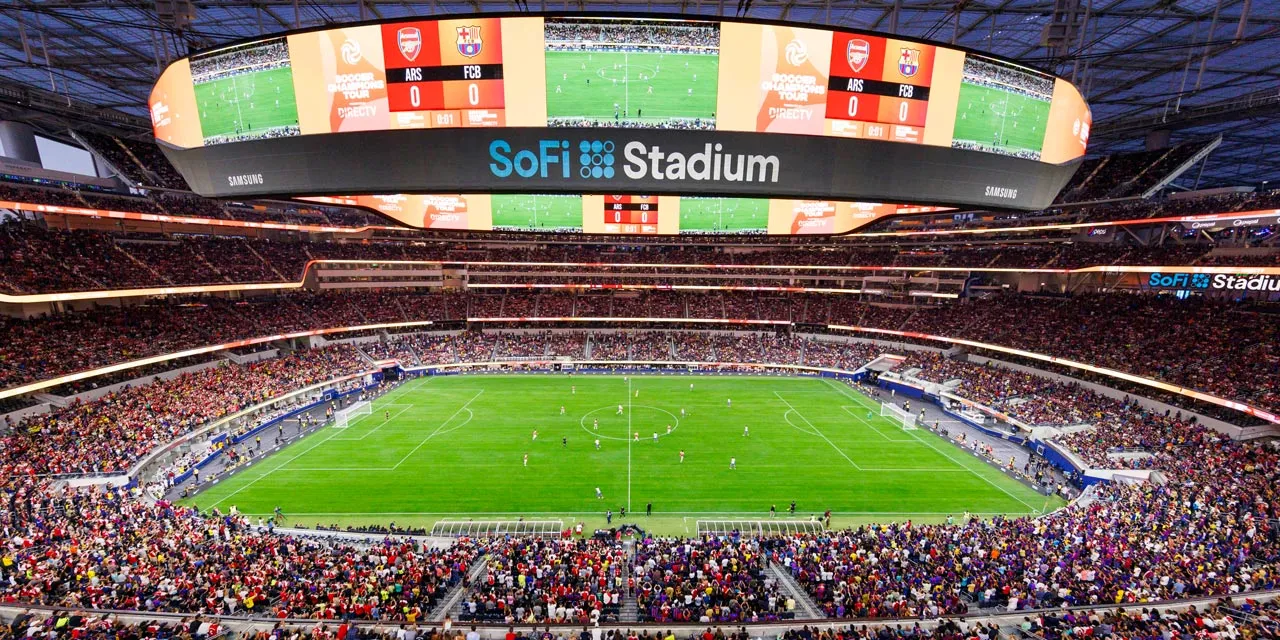
Sixteen cities will host the World Cup. Three will go to Mexico, two in Canada, and the remaining 11 will be in U.S. Despite sports betting being legal in 39 states by now, most host cities aren’t a part of the club.
Here are the five host cities that have fully mobile sports betting — Boston, Kansas City, Miami, New York, and Philadelphia. Now here’s the six that don’t:
Atlanta: Sports betting in Georgia remains illegal, despite there being a new betting bill every year. It fails every time, keeping the status quo in Atlanta and statewide.
Dallas: There is no sports betting in Texas. And unlike Georgia, there’s almost no near misses in Texas as lawmakers there remain staunchly opposed to legalizing. The new Dallas Mavericks owners have pushed for a casino, and have been turned away at every try — even after donating over $10 million to local politicians.
Houston: Same story as Dallas, unfortunately. The city has a basketball owner with gambling ties like Dallas does (Rockets owner Tilman Fertitta made part of his fortune with Golden Nugget casinos), but that’s helped nothing on the legalization front.
Los Angeles: California is one of the biggest economies in the world, one of the biggest sports markets in the world, and still has no legal sports betting. Voters crushed two betting proposals in 2022, and the next real push might not come until 2028 (and that’s a long shot in its own right, too).
San Francisco Bay Area: Same deal as California here, too. Here’s the tech capital of the world, trying to build super intelligence (AI), and measly betting apps are off limits there. Womp womp womp.
Seattle: Washington technically has sports betting, but not the kind that matters for this conversation. It’s mostly limited to tribal casinos, with no broad statewide mobile market. So if you’re in Seattle during the World Cup and want to legally bet as someone in New York or Pennsylvania can, you’re out of luck unless you’re at a tribal property.
The Math Not Be Mathing For Sportsbooks
This is where the sponsorship math likely doesn’t add up. If DraftKings or FanDuel pays FIFA a fortune to become an official World Cup partner, what are they really buying? Global attention, sure, but that doesn’t do them any good. Both sportsbooks are US-based only and can’t offer wagers worldwide.
And in the US, attention matters, but only if it can be monetized. Not being allowed to take bets in those major markets — the likes of Atalanta, Dallas, LA, San Francisco, and so on — really puts a lid on what a World Cup gambling sponsorship could get in return.
Sportsbook sponsorships work best when awareness can turn into immediate action. See the ad, open the app, deposit, bet, and boom! However, that marketing playbook just doesn’t work when the host city sits in a non-legal or limited-betting state.
So maybe the lack of American sponsorships isn’t because a sportsbook got shy to pull the trigger. Maybe, just maybe, the sportsbooks looked at the numbers and decided the price didn’t make sense. Paying World Cup-level money to activate in markets you can’t fully monetize? That’s a hard sell if you ask us.
FIFA Finds Other Betting Sponsors
The US sportsbooks might not be buying what FIFA is selling, but other gambling companies are. FIFA just recently signed a deal with Betano to be a regional World Cup sponsor for Europe and South America. That makes way more sense on paper. Betano isn’t boxed into the US the same way DraftKings and FanDuel are. Plus, soccer fandom is just bigger in those two continents than in America.
This is where prediction markets probably make more sense than traditional sportsbooks, though. Kalshi and Polymarket aren’t limited to the same state-by-state sportsbook rules. They can offer World Cup-style markets in places where sports betting apps can’t operate — not just in America, but in other countries around the globe.
So tell us why Kalshi or Polymarket haven’t signed up yet? Here are two companies spending without a worry in the world — multiple US states are suing them already. If anything, splashing on a FIFA sponsorship feels completely on brand for Kalshi or Polymarket. Maybe FIFA’s prices were just too high for them, as they are for game ticket buyers like ourselves…
 Online betting sites